
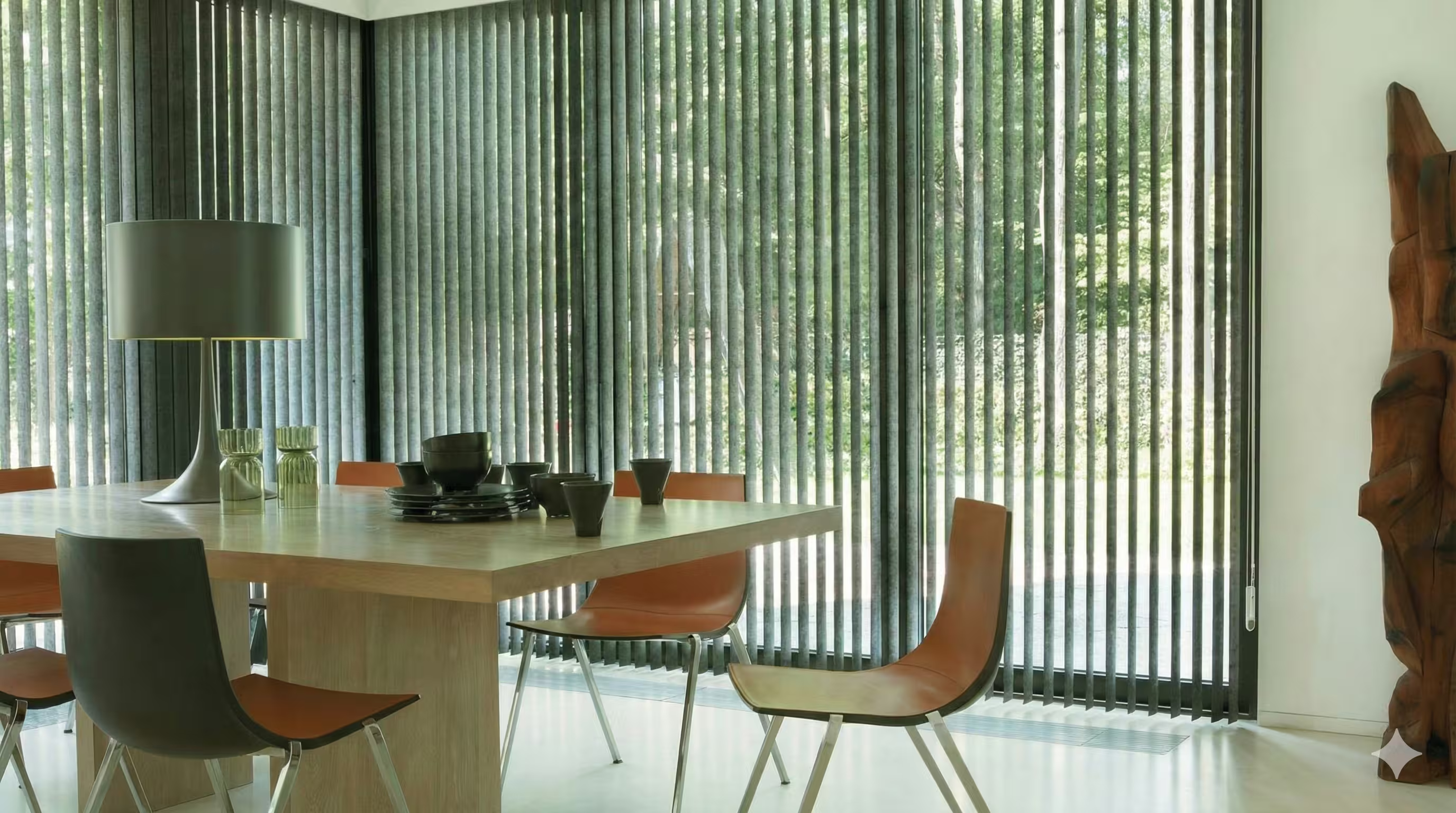
Vertical Linear Curtains
Vertical / linear curtains are an elegant solution that combines style and functionality in modern interior design. They are especially preferred in offices, meeting rooms, and homes with wide glass surfaces. Their linear form gives the space a neat and balanced appearance while also offering practical use for light control and privacy.
What Are Vertical Linear Curtains?
Vertical linear curtains are modern curtain systems in which independent vertical panels move along a track,
and the panels can be rotated on their own axis to adjust light transmission.
They create a “clean and straight” appearance on large glass facades while allowing you to easily manage both
the amount of light and the level of visibility from outside.
What Are the Advantages?
- Minimalist & Elegant Appearance: Their linear form adds spaciousness to the space and fits modern decoration perfectly.
- Precise Light Control: By adjusting the direction of the panels, you can let in or reduce daylight as needed.
- Privacy Management: You can practically control visibility from outside by rotating the panels.
- Suitable for Wide Glass Facades: Provides a neat appearance in offices, meeting rooms, storefronts, and glass facades.
- Color / Pattern / Texture Options: Can be customized according to the design language of the space.
- Versatile Use: Suitable for many settings, from homes to offices, restaurants, and meeting rooms.
Areas of Use
- Offices: Open offices, executive rooms, and workspaces.
- Meeting Rooms: Spaces that require light control and privacy.
- Residential: Living rooms, study rooms, and living spaces with wide glass surfaces.
- Restaurant / Café: Aesthetic appearance and controlled daylight on glass facades.
- Showroom / Store: A neat and modern curtain language on showcases and glass surfaces.
- Narrow Spaces: Offers an elegant solution without making the area feel crowded.
Minimal Lines for Modern Spaces, Maximum Control
Vertical linear curtains bring a regular rhythm to the space with their linear design. Especially on wide glass surfaces, they stand out with both aesthetics and ease of use. With the right measurements and the right panel angle, it is possible to manage daylight comfortably.
Vertical linear curtain systems offer precise light control thanks to the rotation of the panels. Being able to manage daylight gradually instead of simply “fully open / fully closed” can help improve comfort in working spaces.
In addition, when the panel angle is changed, visibility from outside can also be controlled easily. In this way, both privacy and brightness can be balanced through a single system.
With different color, pattern, and texture options, a look compatible with minimal, modern, classic, or corporate interiors can be created. Thanks to its linear order, it enhances the aesthetic value of the space and offers a more organized atmosphere.
Minimalist and Elegant Design
The simple lines of vertical curtains add a sense of spaciousness to the space. They work especially well with modern decoration and create a neat, professional look in glass-fronted areas.
Light + Privacy Control
By rotating the panels, the direction and amount of incoming light can be adjusted. This flexibility can contribute to energy-efficiency goals and help create a more comfortable lighting setup in workspaces.
Application and Installation Process
A good result in vertical linear curtain systems comes from correct measurements, the right track setup, and proper planning of the usage scenario. We move the process forward clearly and quickly.
Needs Analysis
The type of space (office / home / meeting room) and the target (light, privacy, aesthetics) are clarified.
Measurement Planning
Glass facade dimensions, height, and system line are determined. The usage direction and opening/closing scenario are planned.
Color / Texture Selection
The design is finalized by selecting color, pattern, and texture options suitable for the decoration language.
Production & Preparation
The system components are prepared; the number of panels and the track layout are planned according to the project details.
Installation & Delivery
The installation is completed; panel movement and light/privacy control are tested before delivery with usage guidance.
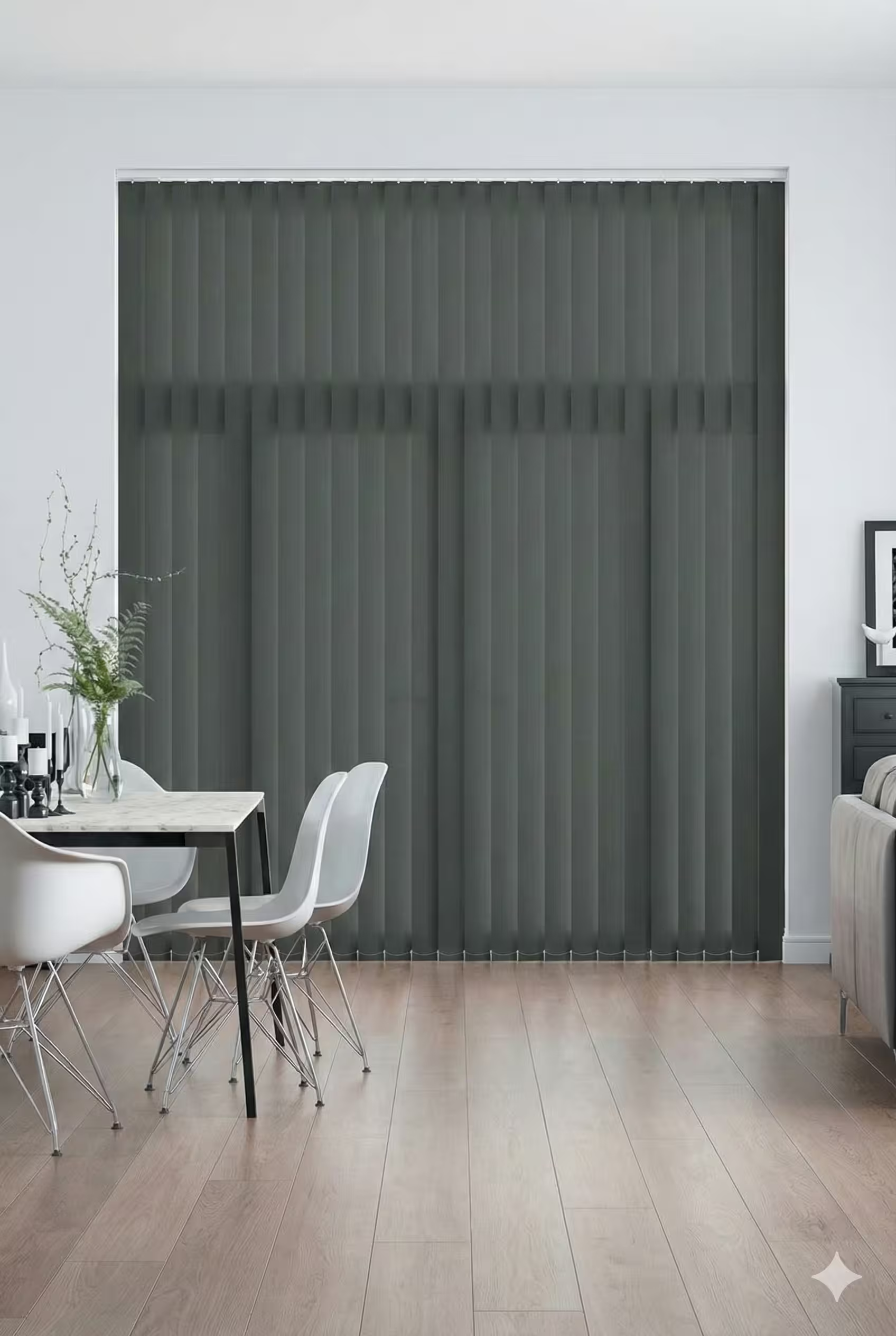

What Should You Consider When Choosing Vertical Linear Curtains?
The most important point in vertical linear curtains is taking accurate measurements and planning the panel direction needs correctly. On wide glass surfaces, the panel layout directly affects ease of use.
When making a selection, the light needs of the space, the desired level of visibility from outside, and the decoration language should be considered together. The right color and texture selection contributes to a more spacious and modern appearance.
Send the measurements and a photo of the space, and we can quickly clarify the most suitable vertical linear curtain setup.
Frequently Asked Questions and Contact
We have gathered the most important questions about vertical linear curtains. If you share your measurements and usage scenario, we can guide you quickly according to your project.
What are vertical linear curtains and how do they work?
Vertical panels move along a track, and the panels can be rotated on their own axis to gradually control light transmission and visibility.
How precise is the light control?
Thanks to the angle adjustment of the panels, you can let in daylight to the desired level and create a setup that helps reduce glare and reflections.
Does it provide privacy?
Yes. By changing the panel angle, you can reduce outside visibility and create a more comfortable level of privacy indoors.
Is it suitable for wide glass facades?
Vertical linear curtains offer a clean and modern appearance on wide glass surfaces. When the panel layout and measurements are planned correctly, ease of use improves.
How are cleaning and maintenance handled?
The maintenance method may vary depending on the selected material and texture. Long-lasting use is targeted with regular dust removal and the appropriate cleaning method.
New content, tips and practical guides.
Tips, guides, and application examples about acoustics and sound insulation.
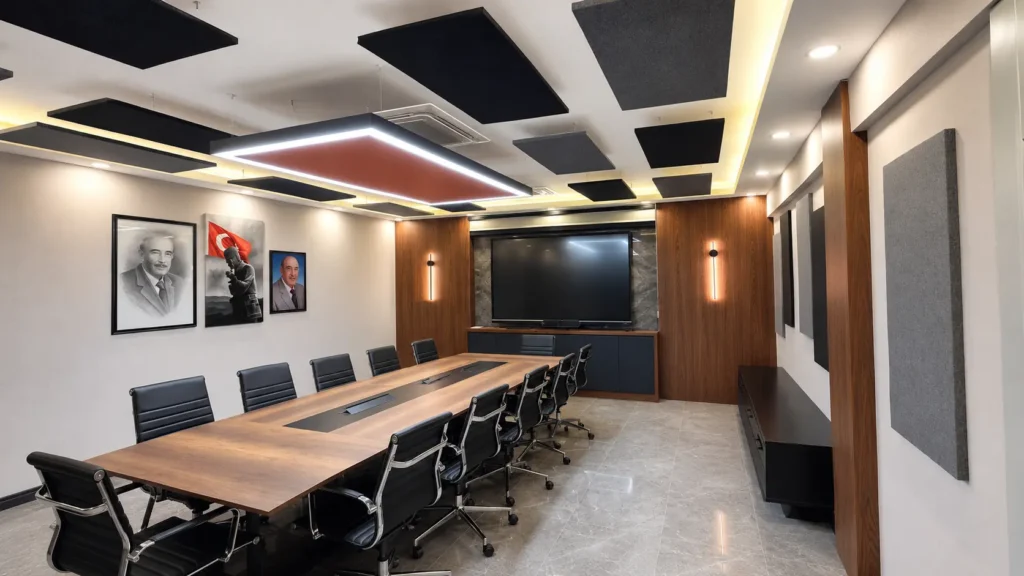
Measured Acoustic Solution vs. Buying Panels From a Catalog: Which Actually Works?
Ordering acoustic panels online vs. a measured, engineered solution — compare diagnosis, quantity, frequency coverage, placement, and cost risk.
Read More →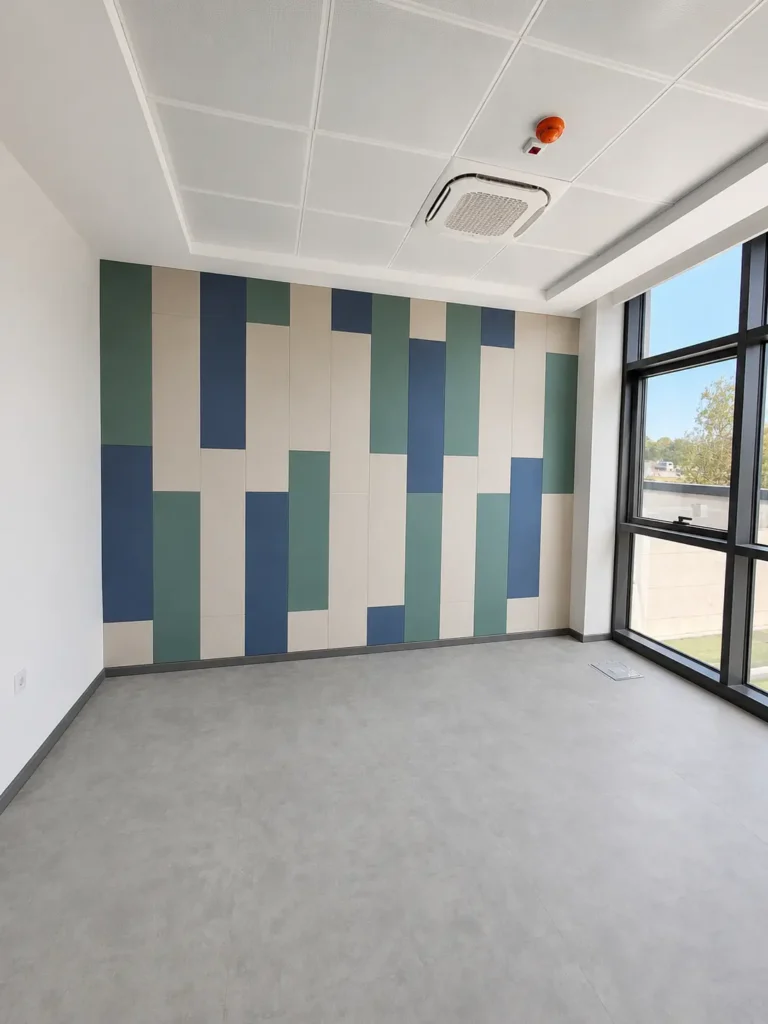
“Reading an Acoustic Report: RT60, STC, NRC and STI Explained”
A plain-English decoder for acoustic consultant reports — what RT60, STC/Rw, IIC, NRC and STI mean, what's good, and what the numbers hide.
Read More →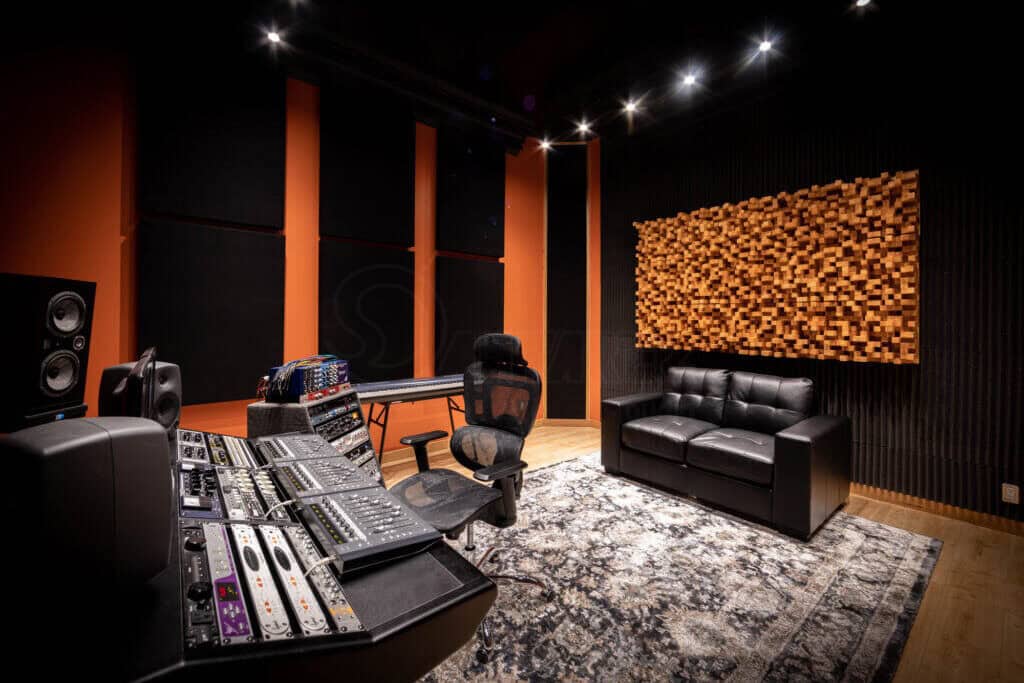
How Is an Acoustic Measurement Actually Performed? A Step-by-Step Guide
A field guide to acoustic measurement: equipment, RT60, background noise, airborne and impact insulation, and open-plan STI — step by step.
Read More →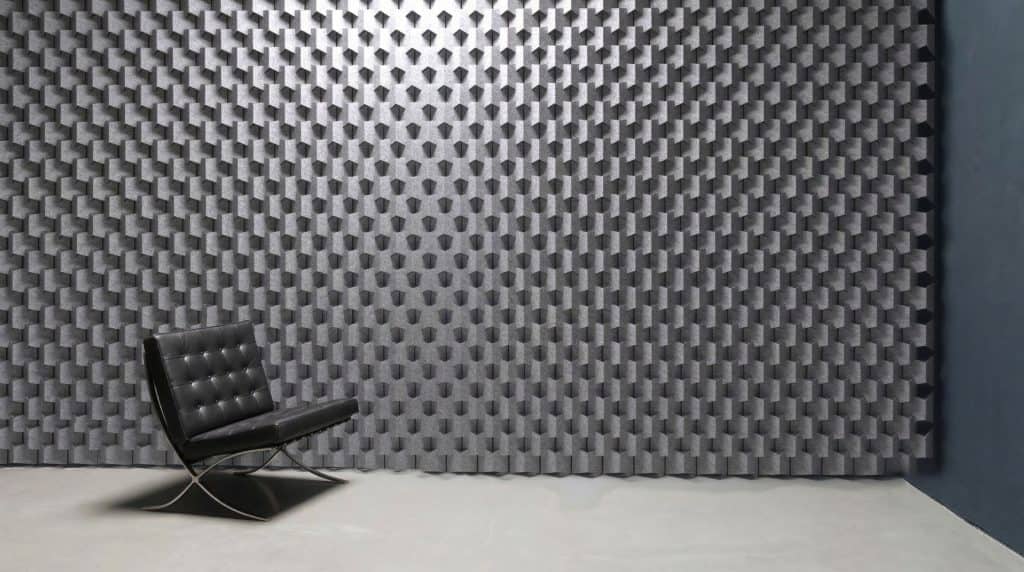
“Noisy Hospital Wards: The Hidden Cost to Patients and Staff”
Hospital wards often run at 55–70 dBA against a WHO 30 dB night guideline. Here's why, what it costs patients and staff, and how…
Read More →
Hospital and Healthcare Acoustics: Why Sound Design Affects Recovery
WHO hospital noise guidelines vs. real ward levels, the impact on sleep and healing, and how healthcare acoustics balances hygiene with quiet.
Read More →
“Auditorium and Lecture Hall Acoustics: Designing for Every Seat”
Auditorium and lecture hall acoustics explained — the speech-vs-music RT tension, even coverage, echo control, STI targets, and design process.
Read More →