
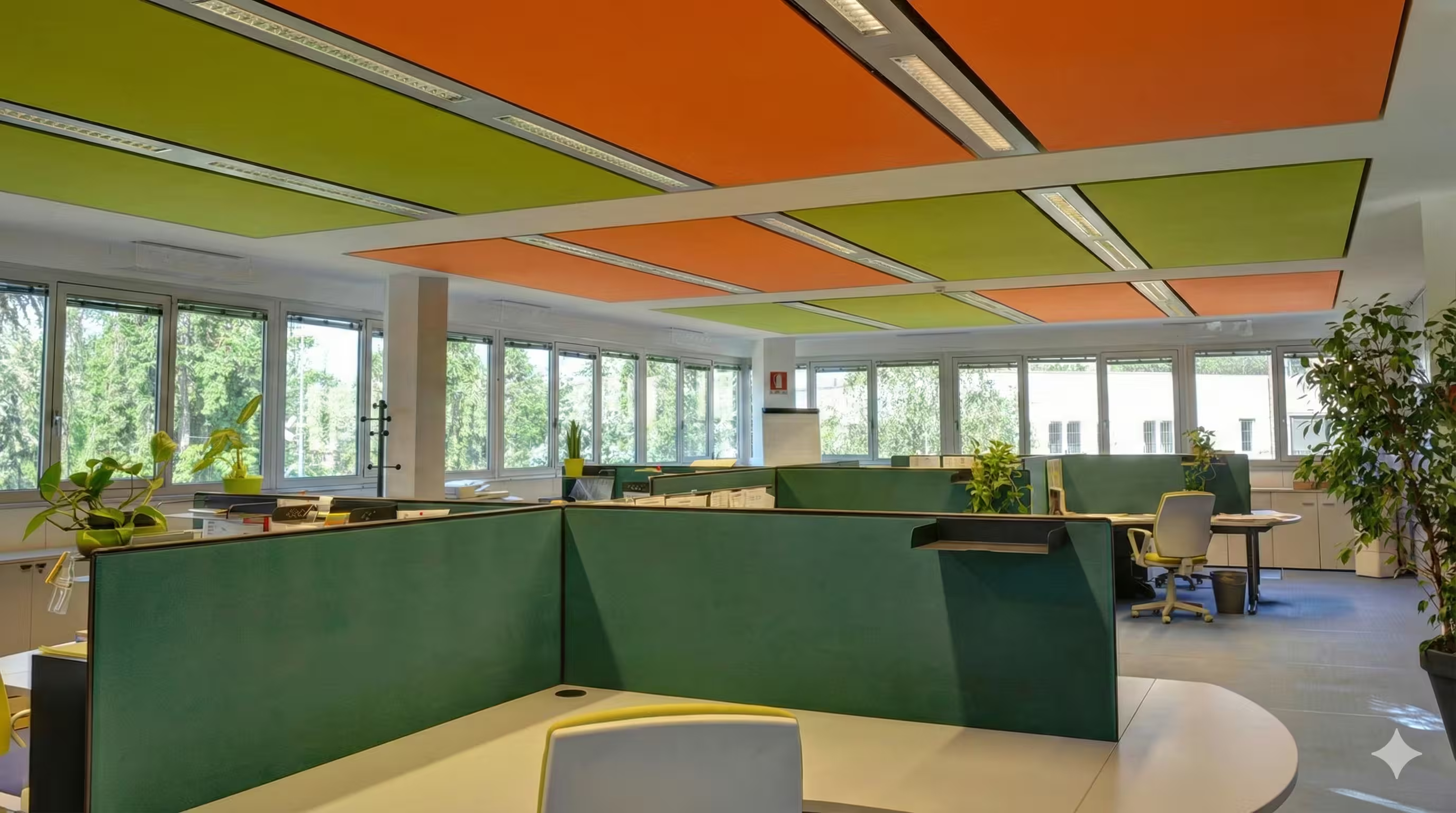
Call Center Acoustics
Call center acoustics is a critical factor for employee performance and customer satisfaction. In open-plan environments, noise, reverberation, and speech overlap reduce call quality, make it harder to focus, and increase fatigue by the end of the day. At Han Acoustic, we create quieter, more comfortable, and more professional working environments with acoustic panels, sound insulation systems, and reverberation control solutions.
What Is Call Center Acoustics?
Call center acoustics is the complete set of acoustic treatment applications designed to ensure that conversations are heard clearly, to reduce speech overlap between teams, and to keep ambient noise under control. The goal is better call quality, stronger focus, and a more comfortable working environment.
Which Problems Does It Solve?
- Reverberation / Ringing: Reflected sound from hard surfaces is reduced and intelligibility improves.
- External Noise: Noise leakage from outside areas or adjacent spaces is controlled.
- Crosstalk: Conversations from nearby desks become less distracting.
- Call Quality: The customer experiences cleaner and more consistent sound.
- Employee Comfort: Focus increases and mental fatigue is reduced.
Materials Used
- Acoustic Fabric Panels: Reverberation control and speech clarity on wall surfaces.
- Acoustic Ceiling Panels: Reduce overall room reverberation.
- Acoustic Foam: Targeted treatment at critical reflection points.
- Acoustic Curtains: Support for glass and reflective surfaces.
- Acoustic Separators: Reduce speech overlap between desks.
Quieter Space, Clearer Calls, Higher Productivity
The most common problems in call centers are reverberation, external noise, and speech overlap between employees. These issues make communication harder, negatively affect the customer experience, and reduce team efficiency. With the right acoustic setup, ambient noise is reduced, conversations become clearer, and teams can focus more easily.
The main goal of call center acoustics is to reduce overlapping speech in open-plan environments and keep reverberation under control. To achieve this, sound-absorbing panels, acoustic ceiling systems, and desk separators are used together. When needed, sound insulation is added to block external noise and stabilize call quality.
Han Acoustic designs each solution according to the floor plan, desk layout, and density of your call center. The result is more comfortable work, cleaner communication, and a stronger professional image.
Speech Clarity Through Reverberation Control
Hard surfaces such as glass, concrete, and empty walls reflect sound back into the room and increase ringing. With acoustic fabric panels and ceiling solutions placed at the right points, reverberation is reduced and conversations become more intelligible.
Reducing Speech Overlap with Desk Separators
One of the biggest productivity losses in call centers is overlapping speech from nearby desks. Acoustic desk separators and sound barriers create acoustic boundaries between work islands, reducing speech overlap while improving focus and call quality.
Application and Project Planning Process
We plan the acoustics of your call center end-to-end, from analysis to installation.
Needs Analysis
The space size, desk layout, occupancy density, and existing problems such as reverberation, crosstalk, and external noise are analyzed.
Acoustic Planning
Wall and ceiling reflections, as well as work islands, are evaluated to define the correct layout for panels, ceiling solutions, and separators.
Material Selection
Acoustic fabric panels, ceiling panels, foam or curtain solutions, and separators are selected according to the target outcome.
Application & Installation
Installation is completed with visual alignment and on-site control checks. Sound insulation applications are integrated when required.
Control & Handover
Final checks are completed and the project is delivered after the targeted acoustic comfort is verified.


What Should Be Considered in Call Center Acoustic Design?
In call centers, sound creates two different problems: ambient noise rises and conversations begin to overlap. For that reason, the design should be built around reducing reverberation, creating acoustic boundaries between desk islands, and controlling external noise.
Han Acoustic creates environments that improve call quality and employee comfort with acoustic desk separators, sound-absorbing panels, and sound insulation solutions where needed. Share your floor plan and we can quickly prepare a solution roadmap.
Frequently Asked Questions & Contact
We compiled the most common questions about call center acoustics. If you would like a fast quote for your project, fill out the form.
What is the biggest acoustic problem in a call center?
The most common issues are reverberation and crosstalk between employees. When these two problems are controlled, speech clarity and focus improve significantly.
Is acoustic treatment the same as sound insulation?
No. Acoustic treatment manages reverberation and reflections inside the room. Sound insulation aims to block outside noise and reduce sound leakage to adjacent spaces. Depending on the project, both can be applied together.
Do desk separators really work?
Yes. Acoustic separators create barriers between work islands, helping reduce overlapping conversations and making it easier to focus.
Will the installation stop work in the current office?
In most projects, the application is carried out section by section in a planned way to minimize the impact on operations. After the site assessment, the most suitable implementation plan is created.
Which materials are used most often?
Acoustic fabric panels, acoustic ceiling panels, acoustic foam, acoustic curtains, and acoustic separators can be combined according to the needs of the call center.
New content, tips and practical guides.
Tips, guides, and application examples about acoustics and sound insulation.
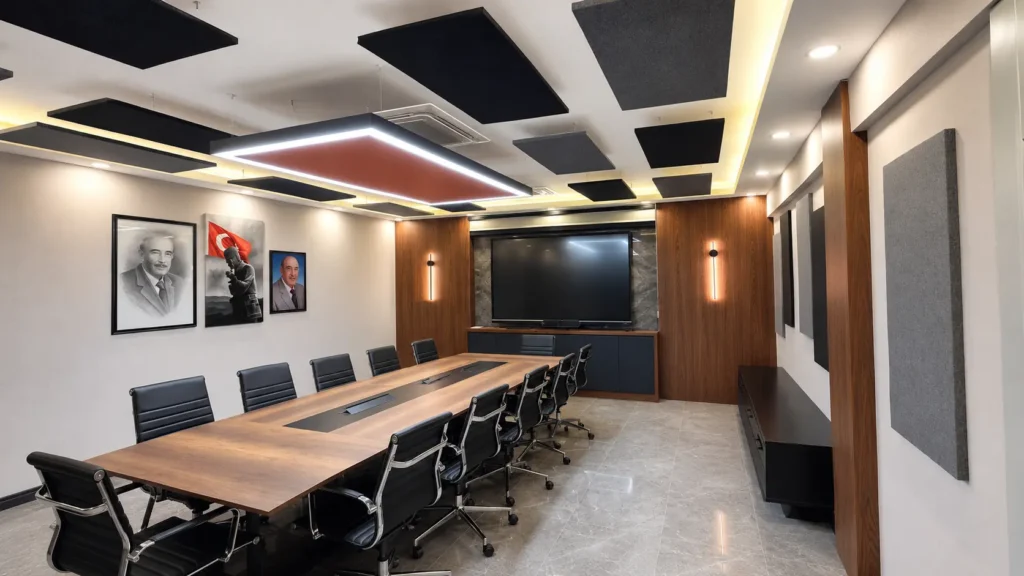
Measured Acoustic Solution vs. Buying Panels From a Catalog: Which Actually Works?
Ordering acoustic panels online vs. a measured, engineered solution — compare diagnosis, quantity, frequency coverage, placement, and cost risk.
Read More →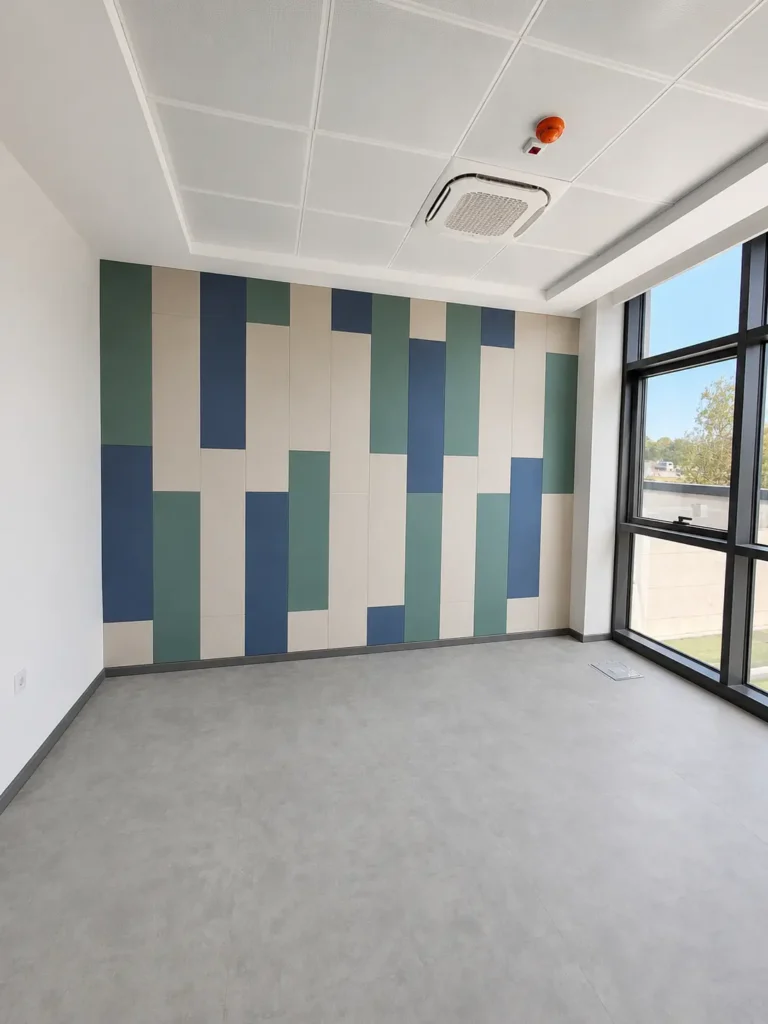
“Reading an Acoustic Report: RT60, STC, NRC and STI Explained”
A plain-English decoder for acoustic consultant reports — what RT60, STC/Rw, IIC, NRC and STI mean, what's good, and what the numbers hide.
Read More →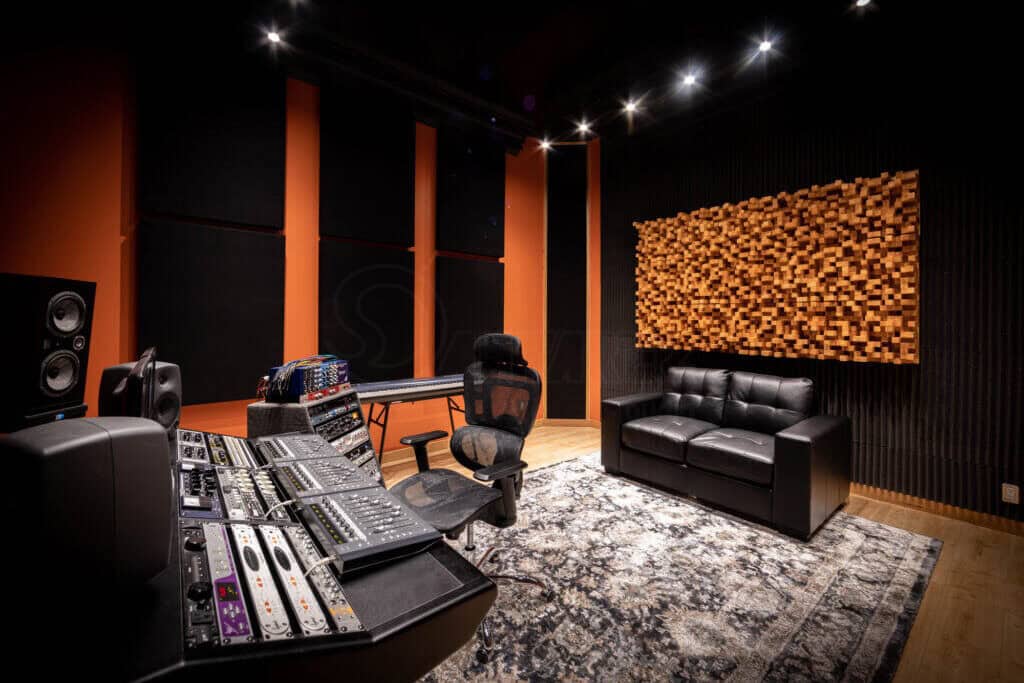
How Is an Acoustic Measurement Actually Performed? A Step-by-Step Guide
A field guide to acoustic measurement: equipment, RT60, background noise, airborne and impact insulation, and open-plan STI — step by step.
Read More →
“Noisy Hospital Wards: The Hidden Cost to Patients and Staff”
Hospital wards often run at 55–70 dBA against a WHO 30 dB night guideline. Here's why, what it costs patients and staff, and how…
Read More →
Hospital and Healthcare Acoustics: Why Sound Design Affects Recovery
WHO hospital noise guidelines vs. real ward levels, the impact on sleep and healing, and how healthcare acoustics balances hygiene with quiet.
Read More →
“Auditorium and Lecture Hall Acoustics: Designing for Every Seat”
Auditorium and lecture hall acoustics explained — the speech-vs-music RT tension, even coverage, echo control, STI targets, and design process.
Read More →