

Radius Acoustic Fabric Desk Dividers
Radius acoustic fabric desk dividers are a modern solution that combines aesthetics and functionality to improve desk-side organization in workspaces. Thanks to the rounded corner (radius) form, they provide a softer appearance and help reduce noise perception and create a sense of isolated space in open offices, meeting rooms, and collaborative work areas. With different color and size options, they adapt to the space and can be put into use quickly thanks to their easy installation advantage.
What Is a Radius Acoustic Fabric Desk Divider?
A radius acoustic fabric desk divider is a desk-mounted separator designed to create divisions on the desk surface, covered with acoustic fabric and shaped with rounded corners.
While creating a more organized layout in workstations, it helps reduce the sense of noise caused by desk-side conversations. Thanks to its rounded corner design, it offers both a safer and softer appearance.
What Are the Advantages?
- Rounded Corner Design: Adds a modern, soft, and stylish appearance.
- Acoustic Comfort Support: Helps reduce desk-side noise perception and supports focus.
- Sense of Isolated Space: Increases the feeling of privacy and order in work areas.
- Easy Installation: Makes office setups practical with quick integration.
- Color & Size Options: Adapts to different desk types and decoration styles.
- Decorative Effect: Improves acoustics while enriching the aesthetics of the space.
Applications
- Offices: Open offices, team desks, collaborative workspaces.
- Libraries: Quieter and more organized workstations.
- Call Centers: A setup that helps reduce desk-side noise pressure.
- Exam Halls: Support for desk separation and focused environments.
- Meeting Rooms: Temporary partitioning and organization.
- Home Offices: A practical desk-mounted acoustic solution for compact spaces.
Practical and Quick Acoustic Solutions
Radius acoustic fabric desk dividers are desktop solutions that can be integrated into workspaces quickly and practically. Thanks to their easy installation, they speed up office setup processes while helping reduce desk-side noise levels and create a more efficient working environment.
Radius acoustic fabric desk dividers are an ideal alternative for the need to create isolated areas and provide acoustic organization in open offices and collaborative workspaces. Their rounded corners offer a more modern line and add organization without disrupting the decoration language of the space.
With the right size and placement, desk stations appear more organized, while lower noise perception strengthens the feeling of focus. They can be adapted to the project with different color and size options.
Share your desk dimensions and quantity information, and we will quickly guide you to the most suitable size and layout.
Softer Appearance with Rounded Corner Design
The radius form gives desk dividers a modern character. The rounded edges provide both safer use and a more elegant silhouette. From corporate offices to libraries, it creates a clean design language across different concepts.
Reduces Noise Perception, Supports Focus
In open offices, desk-side conversations, keyboard sounds, and phone calls can increase the feeling of background noise. Acoustic fabric-covered dividers help reduce noise perception by creating an acoustic barrier effect between workstations and aim to provide a more comfortable working atmosphere.
Acoustic Fabric Color Swatch
You can review the swatch below to make color selection easier for your project.
Installation and Assembly Process
The goal with radius desk dividers is to create a comfortable working layout in a short time through accurate sizing, proper placement, and clean installation.
Needs Analysis
The quantity and layout are planned according to the desk arrangement, number of users, and targeted isolation level.
Sizing
The divider size is determined according to desk width and station layout.
Color & Fabric Selection
A color compatible with the decoration is selected to achieve a corporate appearance.
Production and Preparation
Production is prepared according to the selected dimensions and quantities, and installation accessories are planned.
Installation & Control
The dividers are applied to the desks and delivered after alignment and stability checks.


What to Consider When Choosing a Radius Desk Divider?
For the best result, proper sizing and a placement plan are critical. The divider height and width should be selected according to the desk layout, user density, and desired level of isolation.
The radius design provides a visually softer feeling and adapts more easily to modern office concepts. With the right product choice, it helps you achieve order, focus, and comfort together in the workspace.
Share your desk dimensions and quantity information, and we will prepare the most suitable solution and a quick quote for you.
FAQs and Contact
We have compiled the most frequently asked questions about radius acoustic fabric desk dividers. If you have a specific question for your project, you can fill out the form.
What does a radius acoustic fabric desk divider do?
It creates a more organized workstation structure by dividing desk areas and helps reduce noise perception while supporting focus.
What is the difference compared to the standard model?
The radius model offers a softer appearance with its rounded corner design. It adapts to modern office concepts and creates a softer line language at the desk.
Does it provide sound insulation or acoustic regulation?
Desk dividers are mainly used for acoustic regulation and a sense of isolated space. Full sound insulation requires layered, heavy barrier systems, but they help reduce the feeling of noise in the working environment.
In which areas is it recommended to use?
It is frequently preferred in environments with dense desk layouts such as offices, libraries, call centers, and exam halls.
Are there size and color options?
Yes. Different size options can be planned according to desk dimensions and layout, and color selection is determined according to the decoration of the space.
Is the installation difficult?
It is designed with easy installation in mind. The appropriate installation method is selected according to the project details for quick integration.
How many dividers should I buy?
The quantity depends on the number of desks, station layout, and the targeted level of partitioning. If you share your desk plan, we can guide you quickly.
How are cleaning and maintenance done?
Regular dusting is recommended for fabric surfaces. In heavy-use areas, the maintenance method is planned according to the selected fabric type.
What determines the pricing?
Pricing varies according to size, quantity, fabric selection, and installation details. If you share your size and quantity information, a quick quote can be prepared.
New content, tips and practical guides.
Tips, guides, and application examples about acoustics and sound insulation.
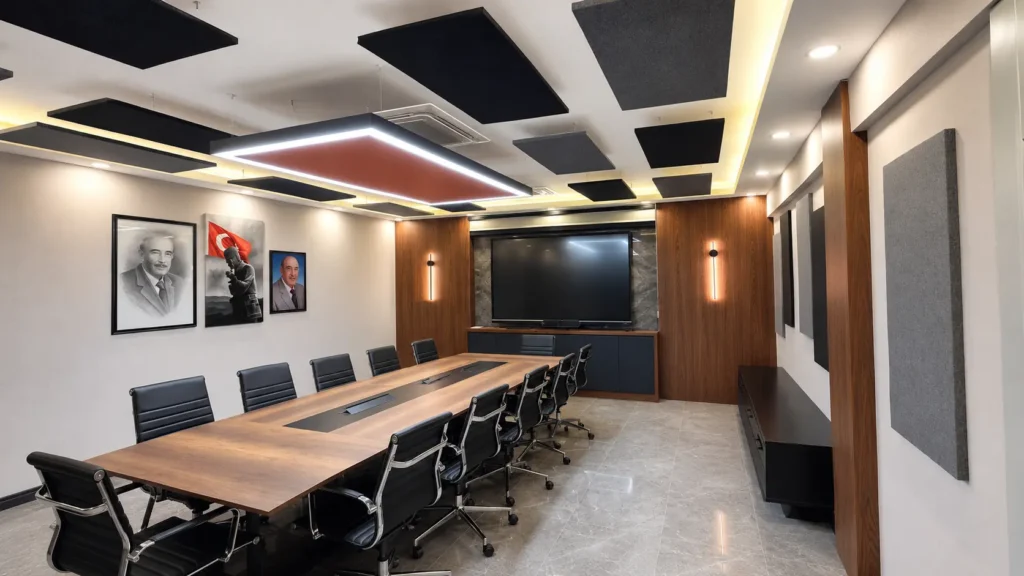
Measured Acoustic Solution vs. Buying Panels From a Catalog: Which Actually Works?
Ordering acoustic panels online vs. a measured, engineered solution — compare diagnosis, quantity, frequency coverage, placement, and cost risk.
Read More →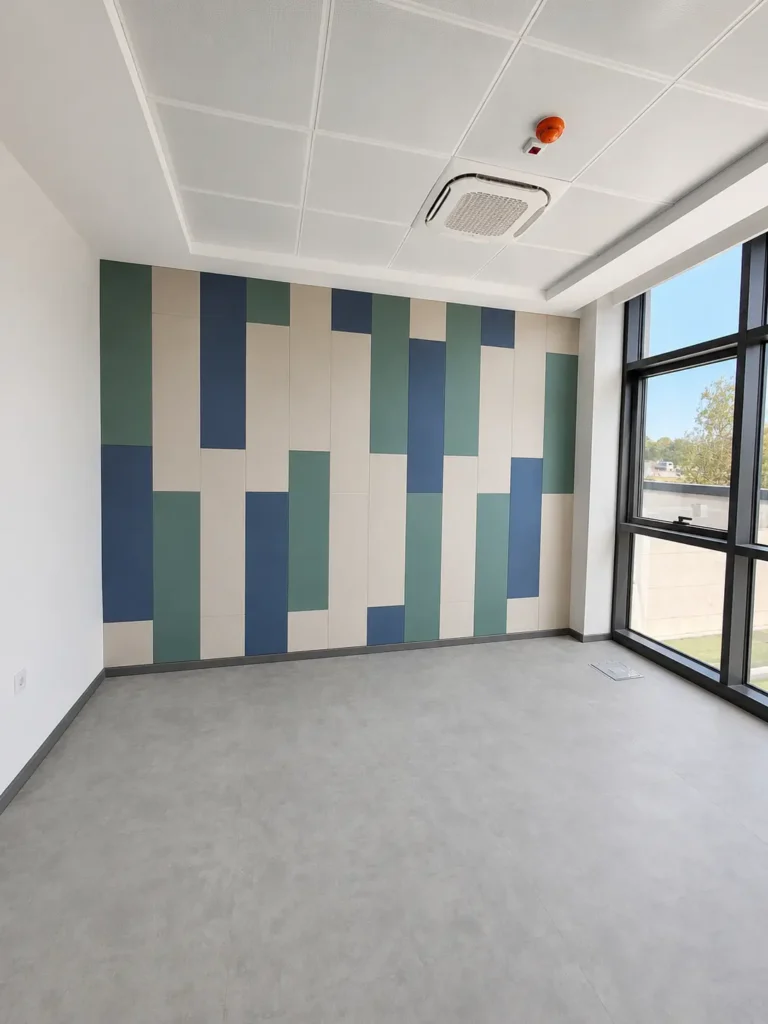
“Reading an Acoustic Report: RT60, STC, NRC and STI Explained”
A plain-English decoder for acoustic consultant reports — what RT60, STC/Rw, IIC, NRC and STI mean, what's good, and what the numbers hide.
Read More →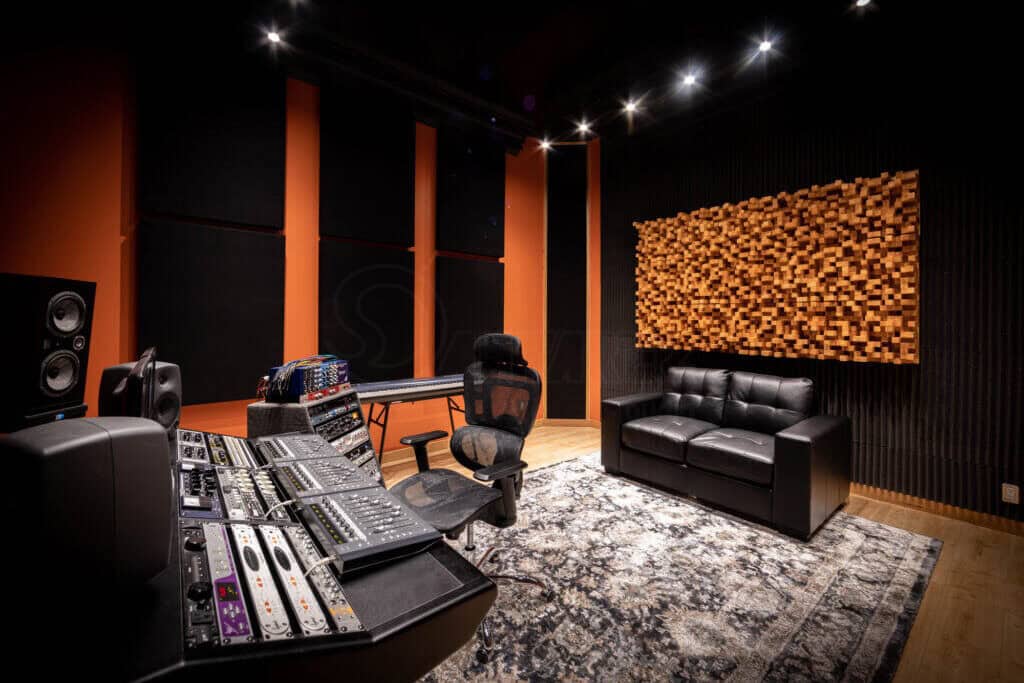
How Is an Acoustic Measurement Actually Performed? A Step-by-Step Guide
A field guide to acoustic measurement: equipment, RT60, background noise, airborne and impact insulation, and open-plan STI — step by step.
Read More →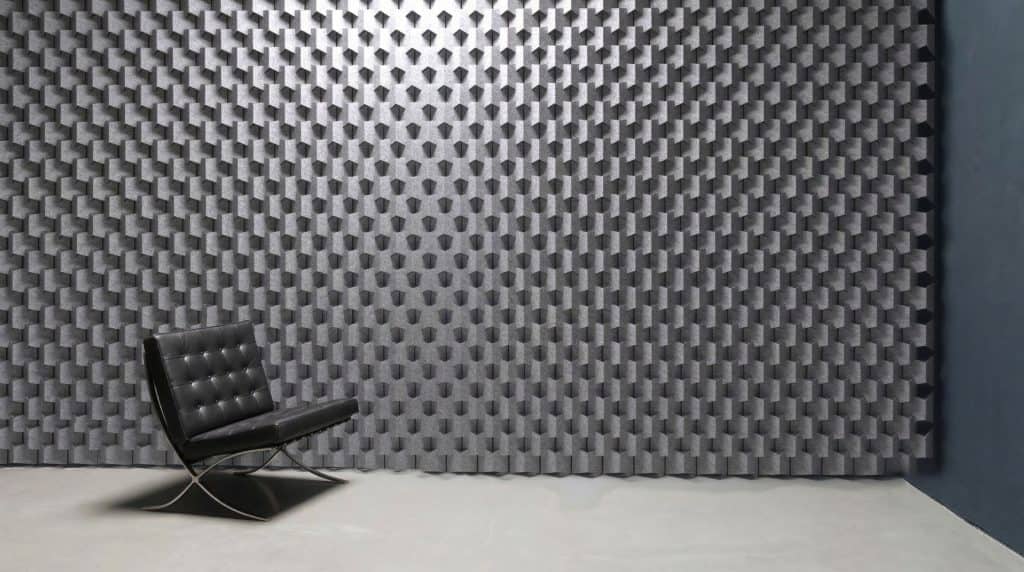
“Noisy Hospital Wards: The Hidden Cost to Patients and Staff”
Hospital wards often run at 55–70 dBA against a WHO 30 dB night guideline. Here's why, what it costs patients and staff, and how…
Read More →
Hospital and Healthcare Acoustics: Why Sound Design Affects Recovery
WHO hospital noise guidelines vs. real ward levels, the impact on sleep and healing, and how healthcare acoustics balances hygiene with quiet.
Read More →
“Auditorium and Lecture Hall Acoustics: Designing for Every Seat”
Auditorium and lecture hall acoustics explained — the speech-vs-music RT tension, even coverage, echo control, STI targets, and design process.
Read More →