

Recording Room Acoustics
Recording room acoustics is the complete acoustic treatment process that minimizes echo inside the room and helps capture sound more accurately and clearly for high-quality recording and production. Han Acoustic brings your room to a professional standard with acoustic panels, bass trap systems, and sound insulation materials whenever needed for the goal of flawless recording.
What Is Recording Room Acoustics?
Recording room acoustics reduces the effect of reflections and room tone that mix into the signal captured by the microphone. The goal is to lower the echo that masks instrument and vocal detail, improve frequency balance, and make the recording sound cleaner. With correctly positioned panels and corner treatments, recordings sound more professional and editing becomes faster.
What Does It Improve?
- Clean Recording: Echo-related blur is reduced, so vocals and instruments sound clearer.
- Less Post-Processing: Reduced room tone lowers the need for EQ and de-noise processing, speeding up workflow.
- Balanced Frequency Response: Bass traps help control low-frequency build-up.
- Reduced External Noise Impact: When needed, sound insulation minimizes outside noise entering the recording.
- Better Monitoring Decisions: Perception during recording improves, making performance evaluation and microphone placement more consistent.
- Professional Image: Higher-quality recordings strengthen brand perception.
Application Areas
- Vocal Recording Rooms: Reflection control that supports vocal clarity and sibilance management.
- Instrument Recording: Controlled room response for guitars, strings, and wind instruments.
- Voice-over / Dubbing: Low reverberation time for better speech intelligibility.
- Podcast & Content Production: Reduced room tone for a more broadcast-quality sound.
- Home Studio: Maximum improvement in small spaces through targeted treatment.
The Right Acoustics for Clear Recording: Reduce Echo, Capture Detail
The biggest challenge in recording rooms is reflections and uncontrolled reverberation mixing into the microphone signal. This can make recordings sound dull, harsh, or boxy. Han Acoustic plans acoustic treatment together with optional sound insulation based on your recording goals.
Recording room acoustics is a core topic for professional audio engineers and producers. Preventing outside noise, minimizing echo, and capturing sound accurately are critical factors that define recording quality. With proper planning, you achieve cleaner recordings that require less correction.
Depending on the project, acoustic fabric panels, acoustic ceiling panels, acoustic foams, acoustic curtains, and acoustic carpets can be combined together. For low-frequency issues, bass trap applications improve overall room balance.
Share your room dimensions and usage scenario such as vocal, instrument, voice-over, or podcast, and we will quickly determine the most suitable solution combination.
Echo and Reverberation Control
Sound returning from wall and ceiling surfaces mixes into the recording as room tone. With panels placed at the correct points, early reflections are controlled and the recording becomes more natural and clear.
Low-Frequency Management with Bass Traps
In small rooms, low frequencies accumulate in corners and can make recordings sound overly heavy or inflated. Bass trap applications reduce this build-up and support a more balanced recording environment.
Recording Room Acoustics Application Process
We analyze your room, determine the right material combination for your target recording quality, and complete the implementation.
Needs Analysis
Room dimensions, recording type such as vocal, instrument, or voice-over, outside noise conditions, and reverberation level are evaluated.
Acoustic Planning
Early reflection points, ceiling zones, and corner areas are identified, then the required improvement plan is prepared.
Material & Combination Selection
Panels, bass traps, and complementary solutions such as curtains, carpets, and foams are configured according to the project needs.
Application
Wall, ceiling, and corner treatments are installed with proper placement, targeting both aesthetics and acoustic performance.
Final Check & Delivery
Placement checks are completed and the room is delivered with a focus on acoustic comfort that supports better recording quality.


What Should Be Considered in a Recording Room?
The goal in a recording room is not to cover every surface, but to treat the right points with the right materials. Surfaces seen by the microphone, ceiling reflections, and low-frequency accumulation in the corners should all be addressed together.
Han Acoustic designs acoustic treatment according to your recording target and, when necessary, completes the system with sound insulation solutions that reduce outside noise influence. This helps every detail of your recording come through more clearly.
Send your room dimensions and recording type, and we will quickly determine the right solution combination for you.
Frequently Asked Questions and Contact
We gathered the most common questions about recording room acoustics. If you have a specific question about your project, you can fill out the form.
What does recording room acoustics do?
It reduces echo and reflections that mix into the microphone as room tone, helping you achieve cleaner, clearer, and more professional recordings.
Are acoustic treatment and sound insulation the same thing?
No. Acoustic treatment controls echo and room response inside the room, while sound insulation reduces outside noise entering the room and sound leaking outward. In recording rooms, both are often planned together.
Why are bass traps important?
Low frequencies build up in corners and can mislead both recording balance and microphone perception. Bass trap applications reduce this accumulation and help the room become more balanced.
Which materials are used?
Depending on the project, acoustic fabric panels, acoustic ceiling panels, acoustic foams, acoustic curtains, and acoustic carpets can be configured together.
Can it still be effective in a small room?
Yes. In small rooms, echo and low-frequency problems can be even more noticeable. With the right placement and combination, a clear improvement can be achieved.
New content, tips and practical guides.
Tips, guides, and application examples about acoustics and sound insulation.
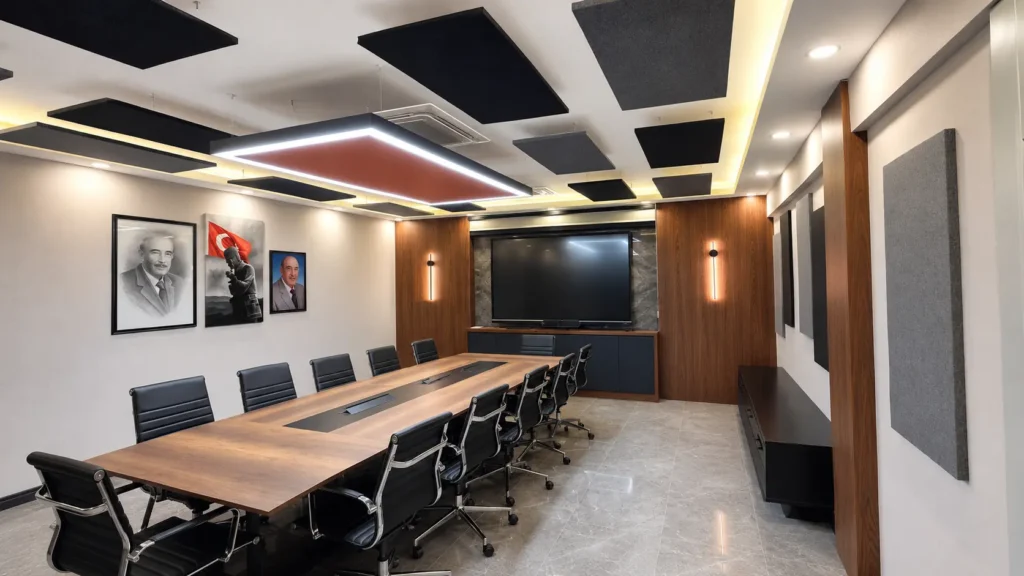
Measured Acoustic Solution vs. Buying Panels From a Catalog: Which Actually Works?
Ordering acoustic panels online vs. a measured, engineered solution — compare diagnosis, quantity, frequency coverage, placement, and cost risk.
Read More →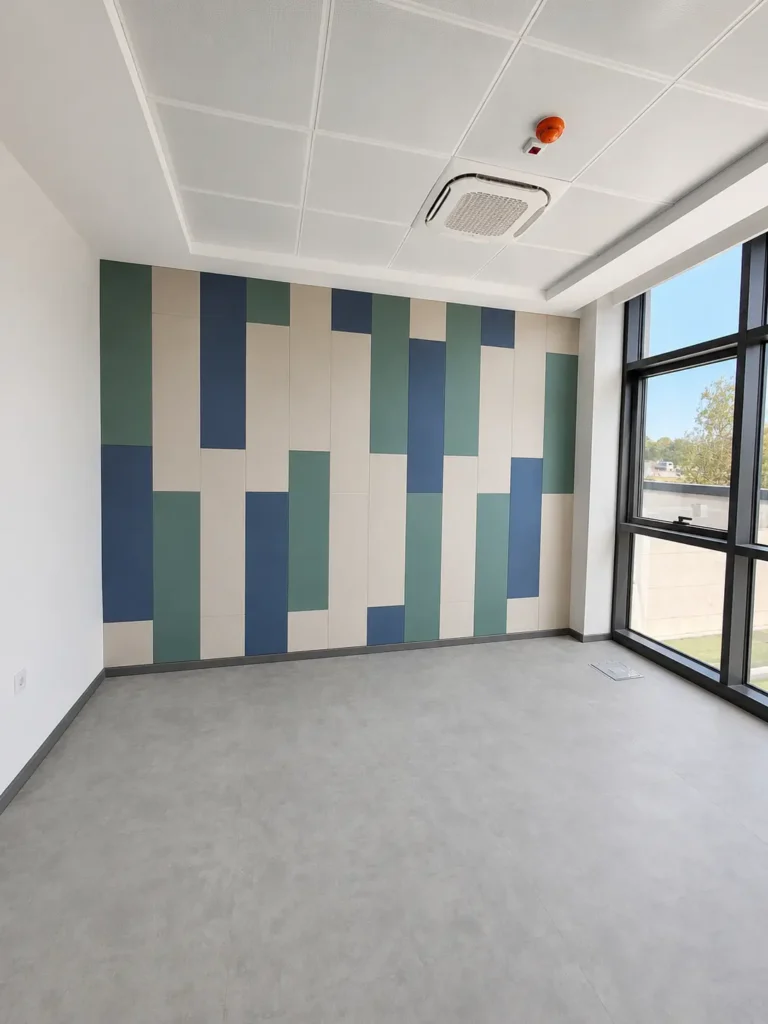
“Reading an Acoustic Report: RT60, STC, NRC and STI Explained”
A plain-English decoder for acoustic consultant reports — what RT60, STC/Rw, IIC, NRC and STI mean, what's good, and what the numbers hide.
Read More →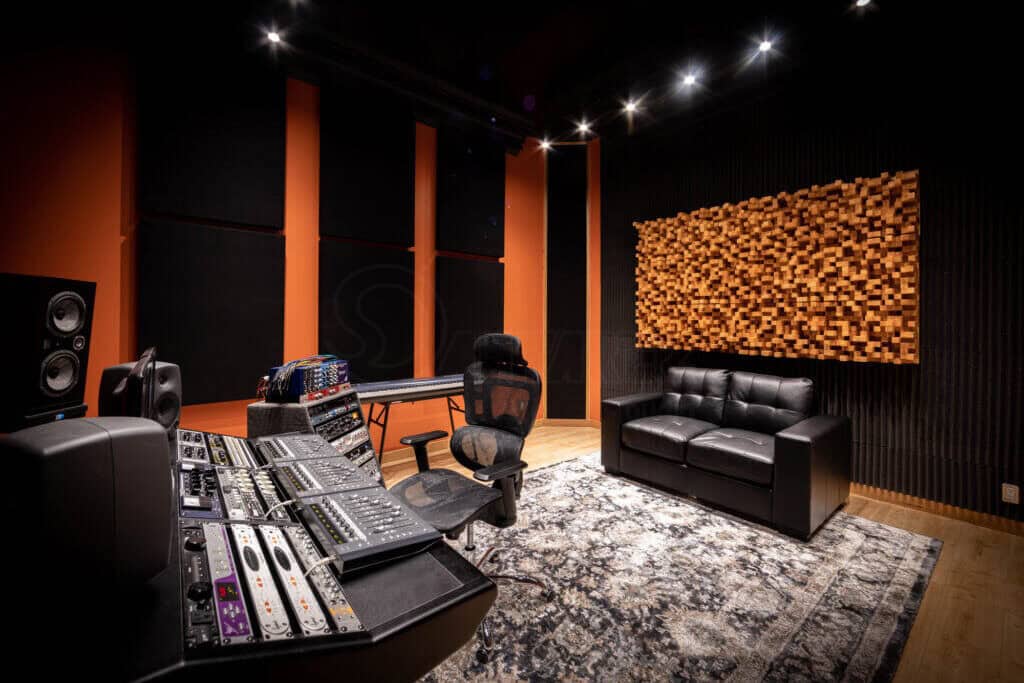
How Is an Acoustic Measurement Actually Performed? A Step-by-Step Guide
A field guide to acoustic measurement: equipment, RT60, background noise, airborne and impact insulation, and open-plan STI — step by step.
Read More →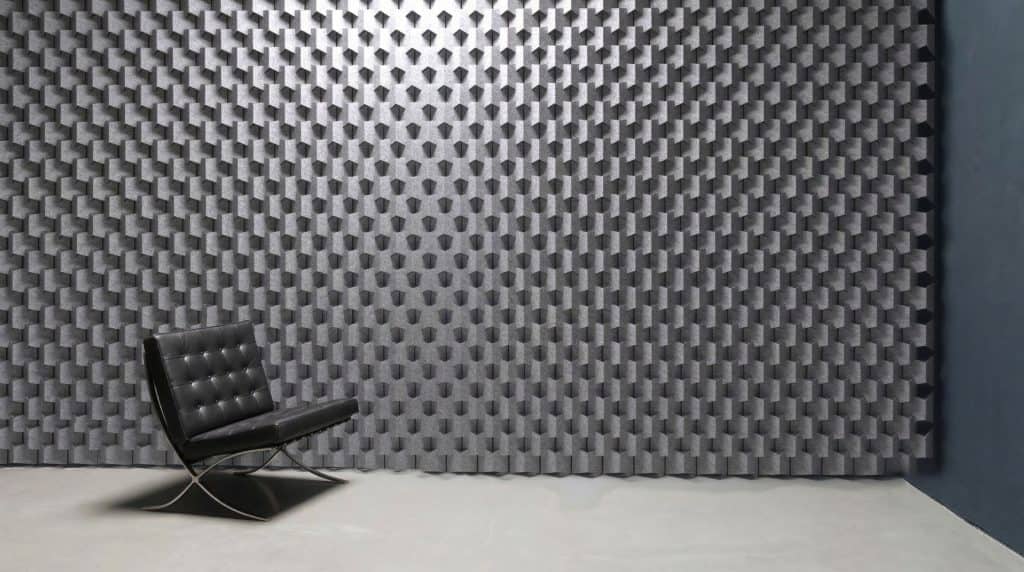
“Noisy Hospital Wards: The Hidden Cost to Patients and Staff”
Hospital wards often run at 55–70 dBA against a WHO 30 dB night guideline. Here's why, what it costs patients and staff, and how…
Read More →
Hospital and Healthcare Acoustics: Why Sound Design Affects Recovery
WHO hospital noise guidelines vs. real ward levels, the impact on sleep and healing, and how healthcare acoustics balances hygiene with quiet.
Read More →
“Auditorium and Lecture Hall Acoustics: Designing for Every Seat”
Auditorium and lecture hall acoustics explained — the speech-vs-music RT tension, even coverage, echo control, STI targets, and design process.
Read More →