

Block Diffuser Acoustic Wood Panels
Block diffuser acoustic wood panels are diffusion-focused panel solutions designed to control sound reflection and balance the acoustics of the space. The block geometry on the wooden surface helps distribute sound waves more evenly, aiming to reduce the feeling of echo and distortion. While adding elegance to the space with their aesthetic natural wood appearance, they provide acoustic balancing and acoustic comfort when planned with the right placement and coverage.
What Is a Block Diffuser Panel?
Block diffuser panels aim for a more balanced sound distribution by scattering sound waves instead of reflecting them back in a hard and single direction, thanks to the multiple wooden block geometry on the surface.
This approach helps improve the acoustic perception in spaces where sound is critical, such as studios, meeting rooms, and cinemas, bringing the environment closer to a more natural and cleaner sound experience.
What Are the Advantages?
- Diffusion Effect: Helps sound waves spread more evenly.
- Reduced Echo & Distortion: Aims to lower the feeling of ringing and distortion within the room.
- Acoustic Balance: Supports a more even distribution of sound in the space.
- Natural Wood Aesthetics: Offers a premium and warm appearance.
- Suitable for Professional Spaces: Effective in studios, conference rooms, and offices.
- Project-Based Placement: Efficiency increases with the right area selection and coverage planning.
Applications
- Studios (recording and production spaces)
- Conference & Meeting Rooms
- Offices (open offices, executive rooms, shared areas)
- Cinema / Home Theater
- Homes (living areas / TV wall)
- Cafés (where acoustic comfort is a priority)
More Natural Sound Through Diffusion: Change the Acoustic Feel of the Space
The main difference of block diffuser acoustic panels is that the surface geometry breaks up and scatters sound waves. This creates a more balanced sound behavior in the room instead of harsh reflections gathering at a single point. With the right positioning, the feeling of clear sound and low echo is supported.
Block diffuser acoustic wood panel solutions are preferred to strengthen acoustic balance in spaces where sound quality matters, such as studios, cinemas, meeting rooms, and offices. The block-patterned surface helps sound spread more evenly within the room, aiming to create a more natural acoustic character.
When selecting the panel, not only the product itself but also the placement area, height, and coverage plan are important. With a site review, the right zones can be identified to create the ideal composition both acoustically and visually.
Block Geometry: More Even Sound Distribution
The multiple block structure on the surface helps distribute sound waves in different directions. This aims for a more balanced acoustic behavior by reducing harsh reflections that build up in certain areas of the room.
Acoustic Balance: Clarity and a Lower Echo Feel
The diffusion approach supports perceived clarity in speech and music. A cleaner sound experience is targeted especially in spaces where sound matters, such as studios, cinemas, and meeting rooms.
Site Review, Layout Planning, and Installation Process
With diffuser panels, results come from the right product combined with the right placement. We manage the process in a practical and controlled way.
Needs Analysis
The intended use of the space, such as studio, office, or cinema, the problematic reflection points, and the targeted acoustic feeling are identified.
Layout & Coverage Plan
The wall and ceiling areas where the diffusion effect will be most effective are selected, and the coverage and composition are planned.
Production / Preparation
Panel dimensions and surface details are finalized, and production and site preparation are planned.
Installation
Installation is carried out while preserving alignment and module continuity, and the diffuser surface layout is checked.
Final Check & Delivery
The visual integrity and application quality are verified, and the project is delivered.


What Should You Consider When Choosing a Block Diffuser Panel?
With diffuser panels, performance becomes clear through the right positioning. Instead of applying the same solution everywhere, identifying the zones with strong reflections and creating a strategic layout is more efficient in most projects.
In addition, the panel depth and composition should be planned according to the room volume and intended use. With a proper site review, you can determine the right combination and achieve a clear result both aesthetically and acoustically.
Frequently Asked Questions and Contact
We have compiled the most frequently asked questions about block diffuser acoustic wood panels. You can contact us through the form for project-specific layout and coverage planning.
What are block diffuser acoustic wood panels?
They are diffusion-focused panel solutions that aim to balance the acoustics of the space by distributing sound waves through the block geometry on the wooden surface and helping reduce the feeling of echo and distortion.
Do diffuser panels work like absorptive panels?
The main purpose of diffuser panels is not to absorb sound, but to scatter it and make reflections more controlled. Depending on project goals, a hybrid setup can also be created together with absorptive solutions.
In which spaces are they more effective?
They are frequently preferred in studios, conference and meeting rooms, offices, cinema and home theater rooms, and spaces where sound clarity is important. The placement plan should be based on the volume of the room and its reflection behavior.
How are installation and placement planned?
The first step is identifying problematic reflection zones. Then the height, wall or ceiling selection, and the coverage plan are determined. Correct placement significantly improves the diffusion effect.
What is the material?
This product group stands out with the aesthetic appeal of a natural wood surface. Dimensions, composition, and application details are planned together according to the project.
New content, tips and practical guides.
Tips, guides, and application examples about acoustics and sound insulation.
Most Commonly Used Acoustic Solution Types
Acoustic Fabric Panels Highly effective in speech clarity and mid-to-high frequency control. Acoustic Felt Panels Offers both aesthetic and practical application advantages; widely preferred…
Read More →
How to Choose the Right Solution for Your Space?
1) Clarify the need: “What’s the problem?” First, identify the problem correctly: Are conversations hard to understand? (echo/ringing) Is sound coming from the floor…
Read More →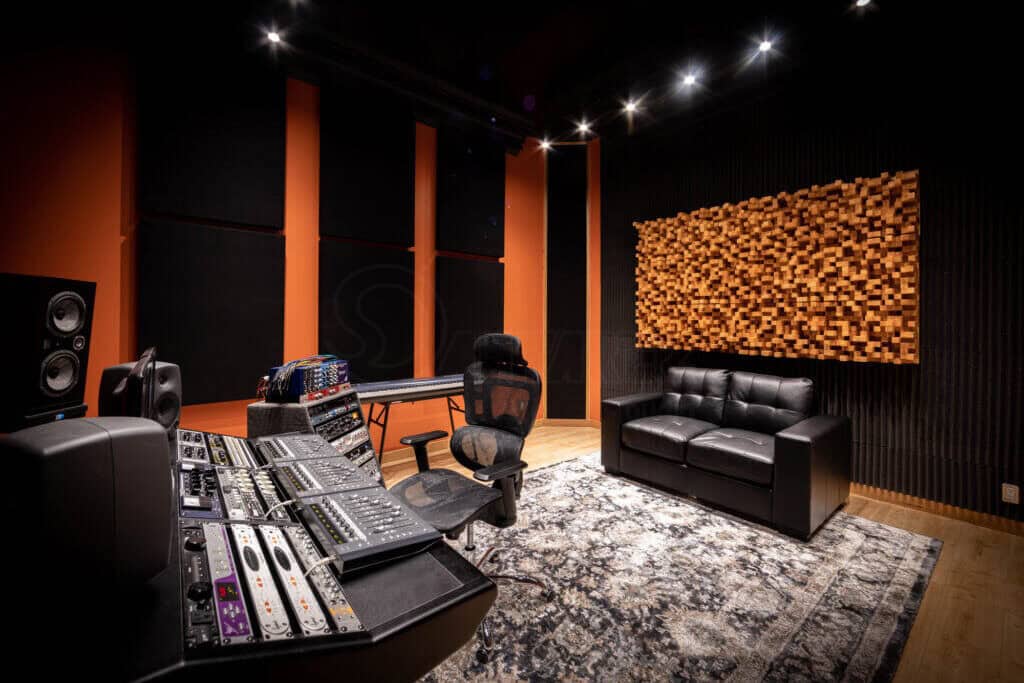
What Is Acoustic Design? How to Choose the Right Solution for Your Space?
When a space has a “sound problem,” most people look for a single solution: “Let’s install this and we’re done.” But in reality, good…
Read More →