
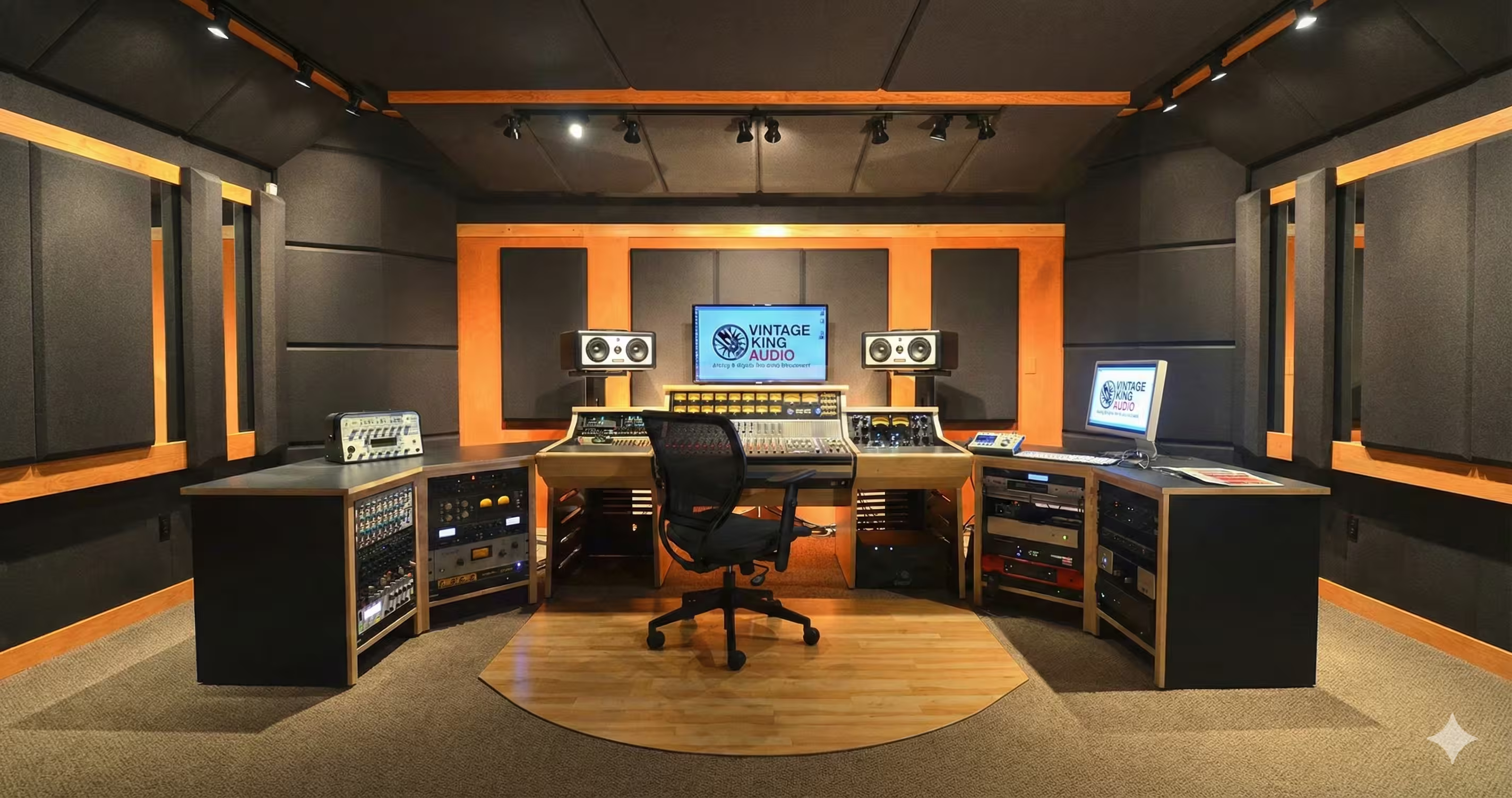
Studio Acoustics
Studio acoustics is the complete set of acoustic optimization and sound insulation works carried out to ensure that sound is heard clearly, evenly, and under control during recording, mixing, and production processes. Han Acoustic brings your studio to a professional level with reverberation control, external noise reduction, frequency balance, acoustic panels, bass trap systems, and sound insulation solutions.
What Is Studio Acoustics?
Studio acoustics aims to prevent sound from being heard differently than it really is during recording and mixing by controlling reverberation inside the room. Properly planned acoustic treatment increases speech and vocal clarity, reveals instrument details, and creates a cleaner recording environment. Bass trap applications play a critical role, especially in controlling low frequencies that build up in corner areas.
Advantages for the Studio
- Clean Recording: Reduces blur caused by reverberation and reflections, cleaning up what the microphone captures.
- Accurate Mix Decisions: Provides a more reliable reference by reducing the room’s coloring effect.
- Low-Frequency Control: Bass traps reduce boomy and swollen bass problems.
- Reduced External Noise Impact: With suitable layered solutions, outside sounds are minimized from leaking into the recording.
- Comfortable Workflow: Less fatigue and longer focused production sessions.
- Project-Based Design: Scalable planning based on room dimensions, use case, and budget.
Application Areas
- Music Recording Studios: Recording room, live room, vocal booth.
- Podcast & Content Production: Podcast room, YouTube shooting space, voice-over booth.
- Home Studio: Home production rooms and workspaces.
- Control Room: Reflection control that improves listening accuracy.
- Instrument Rooms: More controlled listening without damaging instrument tone.
- Education & Rehearsal Areas: Music schools and rehearsal rooms.
Clarity in Recording, Accuracy in Mixing: Acoustically Tune Your Studio
In studio environments, the goal is not simply to reduce sound, but to control it. If reverberation times, early reflections, and low-frequency buildup are not properly managed, recordings become blurred and mix decisions become misleading. Han Acoustic designs the right acoustic combination according to how your studio is used.
The main purpose of studio acoustics solutions is to reduce reverberation during recording, minimize external noise entering the recording, and create frequency balance inside the room. This helps vocals and instruments be captured more clearly and makes the production process more efficient.
In applications, materials such as acoustic fabric panels, acoustic ceiling panels, acoustic foams, acoustic curtains, and acoustic carpets are often planned together. In corner areas, bass traps control low-frequency buildup and provide a flatter listening response.
Share your room dimensions and use case with us, whether it is for recording, mixing, or podcasting, and we will quickly guide you toward the right solution.
Reverberation and Early Reflection Control
The most common issue in studios is reflections from hard surfaces leaking into the recording. With properly positioned panels on walls and ceilings, early reflections are controlled, making recordings cleaner and listening more accurate.
Low-Frequency Balance with Bass Traps
Low frequencies that build up in corners create a swollen bass feeling and distort mix decisions. Bass trap applications help dampen low frequencies and aim for a more balanced room response.
Studio Acoustics Application Process
We clarify the dimensions, layout, and material combination according to your studio’s needs and complete the application professionally.
Needs Analysis
The purpose of use, whether recording, mixing, or podcasting, room dimensions, and current issues such as reverberation, bass buildup, and external noise are analyzed.
Acoustic Planning
Early reflection points, corner zones, and ceiling areas are identified, and a plan is created according to the targeted acoustic results.
Material & Combination Selection
Components such as acoustic panels, bass traps, acoustic foam, carpets, and curtains are configured according to project needs.
Application
Wall, ceiling, and corner applications are completed with correct placement, targeting both aesthetics and performance together.
Control & Delivery
Placement checks are completed, and the final evaluation is made according to the targeted comfort before delivery.
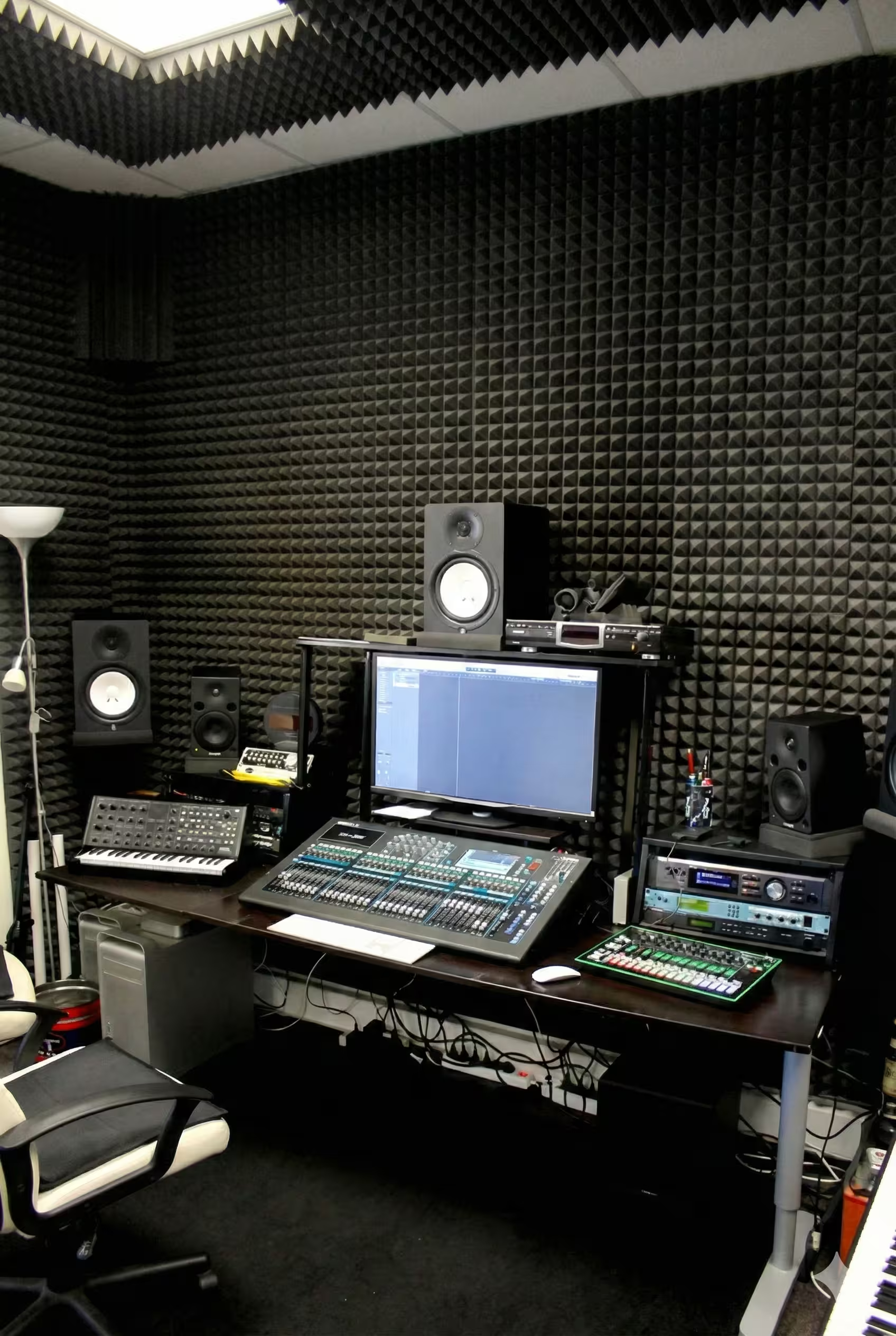

What Should Be Considered When Planning Studio Acoustics?
In studio acoustics, covering every surface with panels is not the right approach. What matters is analyzing high-reflection surfaces, bass buildup in corner areas, and listening and recording positions correctly to create the optimum solution.
Han Acoustic designs acoustic arrangements so that sound is heard correctly inside the studio and, when necessary, integrates solutions that reduce the effect of external noise. This targets cleanliness in recording and accuracy in mixing.
Send your room dimensions and intended use, and we will quickly map out the right solution.
Frequently Asked Questions and Contact
We have compiled the most frequently asked questions about studio acoustics. If you have a specific question for your project, you can fill out the form.
What is studio acoustics?
It is the complete set of acoustic treatment works that aim to improve recording and mixing quality by controlling reverberation, early reflections, and frequency balance inside the studio.
Are acoustic treatment and sound insulation the same thing?
No. Acoustic treatment controls internal reverberation and room response, while sound insulation aims to reduce outside noise entering the room and sound escaping from it. In most studio projects, both are planned together.
Are bass traps really necessary?
Yes, in most studios. Low frequencies that build up in the corners can mislead mix decisions. Bass trap applications reduce bass swelling and provide a more balanced listening response.
Which materials are used?
Depending on the project, acoustic fabric panels, acoustic ceiling panels, acoustic foams, bass traps, acoustic curtains, and acoustic carpets can be planned together.
Can it also be applied in a home studio?
Yes. In home studios, the goal is to achieve maximum improvement with minimum intervention. Effective results can be achieved with correct placement according to room dimensions.
New content, tips and practical guides.
Tips, guides, and application examples about acoustics and sound insulation.
Measured Acoustic Solution vs. Buying Panels From a Catalog: Which Actually Works?
Ordering acoustic panels online vs. a measured, engineered solution — compare diagnosis, quantity, frequency coverage, placement, and cost risk.
Read More →
“Reading an Acoustic Report: RT60, STC, NRC and STI Explained”
A plain-English decoder for acoustic consultant reports — what RT60, STC/Rw, IIC, NRC and STI mean, what's good, and what the numbers hide.
Read More →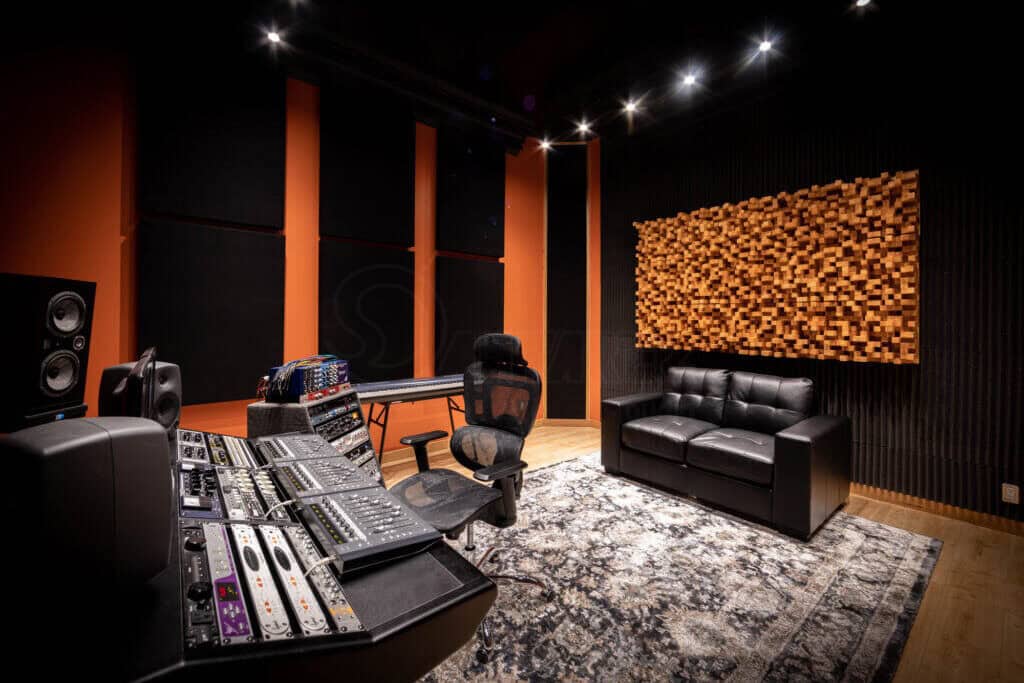
How Is an Acoustic Measurement Actually Performed? A Step-by-Step Guide
A field guide to acoustic measurement: equipment, RT60, background noise, airborne and impact insulation, and open-plan STI — step by step.
Read More →
“Noisy Hospital Wards: The Hidden Cost to Patients and Staff”
Hospital wards often run at 55–70 dBA against a WHO 30 dB night guideline. Here's why, what it costs patients and staff, and how…
Read More →
Hospital and Healthcare Acoustics: Why Sound Design Affects Recovery
WHO hospital noise guidelines vs. real ward levels, the impact on sleep and healing, and how healthcare acoustics balances hygiene with quiet.
Read More →
“Auditorium and Lecture Hall Acoustics: Designing for Every Seat”
Auditorium and lecture hall acoustics explained — the speech-vs-music RT tension, even coverage, echo control, STI targets, and design process.
Read More →