

Theater Hall Acoustics
Theater hall acoustics is critically important for stage performances to reach the audience equally and clearly in every seat. Reverberation, poor speech intelligibility, and external noise reduce the impact of actor dialogue and stage effects. At Han Acoustic, we elevate the theater experience for audiences and performers with sound-absorbing panels, acoustic ceiling systems, diffuser solutions, and, when needed, sound insulation.
What Is Theater Hall Acoustics?
Theater hall acoustics is the complete set of acoustic optimization works carried out so that sound coming from the stage spreads evenly throughout the hall, dialogues remain intelligible, and stage effects are heard without becoming “blurred.” The goal is not “loud sound,” but a clear, controlled, and impressive performance experience.
Acoustics and Sound Insulation in Theater Halls
- Reverberation / Ringing: Sound does not overlap, and stage narration becomes clearer.
- Low Intelligibility: Dialogues do not get lost and remain understandable in every seat.
- Even Distribution: Sound is not “strong in the front, weak in the back.”
- External Noise: Noise leakage can be reduced with sound insulation when required.
- Professional Standard: Audience comfort increases, and the perception of the venue improves.
Materials Used
- Acoustic Fabric Panels: Reverberation control and speech clarity on walls.
- Acoustic Ceiling Panels: Reduce overall reverberation time to the target level.
- Acoustic Foams: Targeted solutions at problematic reflection points.
- Acoustic Curtains: Flexible support around the stage and reflective surfaces.
- Acoustic Carpets: Reduce floor reflections and lower rumble.
An Acoustic Setup That Carries Stage Sound Equally to Every Seat
The most common problems in theater halls are reverberation, low speech intelligibility, and distraction caused by external noise. Especially in large volumes, uneven sound distribution weakens the audience experience. That is why the right approach is to carry out project-based acoustic optimization by taking the hall’s structural features and stage layout into account.
The goal of theater hall acoustics work is for stage performances to be heard with the same clarity in every seat. For this, sound-absorbing panels and acoustic diffusers improve audio quality; when needed, sound insulation prevents outside noise from entering the hall.
Han Acoustic carefully designs acoustic solutions, bringing theater halls to professional standards without compromising the aesthetic line.
Reverberation Control and Speech Clarity
Hard surfaces reflect sound energy back into the room and increase ringing. This makes dialogue harder to understand. With acoustic panels placed at the correct points, reverberation is reduced, speech intelligibility improves, and the impact of the performance is preserved.
Diffuser Approach for Even Sound Distribution
In theater halls, sound “buildup” or concentration in certain areas can reduce perception in rear and side seats. Acoustic diffusers help spread sound more evenly, allowing sound from the stage to disperse more uniformly throughout the hall. The result: a more consistent listening experience and higher audience satisfaction.
Application and Project Planning Process
We plan the acoustics of your theater hall end-to-end, from analysis to installation.
Survey & Needs Analysis
Hall dimensions, seating layout, surface materials, and current problems (reverberation, poor intelligibility, external noise) are analyzed.
Acoustic Planning
Reflection densities and critical zones are identified; panel/ceiling/diffuser placement is designed on a project basis.
Material Selection
Solutions such as acoustic fabric panels, ceiling panels, foam, curtains, and carpets are selected according to the target and budget.
Application & Installation
Installation is completed with aesthetic alignment and workmanship checks. If required, sound insulation is integrated into the project.
Control & Delivery
Final checks are completed, and the hall is delivered after confirming the targeted acoustic comfort.


What Should Be Considered in Acoustic Design for a Theater Hall?
In theater, the goal is not only for the audience to “hear” the play, but to understand every word clearly. For this, reverberation time is controlled, problematic reflection points are managed, and sound is distributed evenly throughout the hall. When required, sound insulation reduces external noise leakage and helps prevent distraction.
The Han Acoustic team plans project-based solutions that suit the structure of the venue, preserve the aesthetic character, and strengthen stage performance. Share your hall photos and approximate dimensions, and we will quickly prepare a roadmap.
Frequently Asked Questions and Contact
We have compiled the most common questions about theater hall acoustics. Fill out the form for a fast quote for your project.
Why does reverberation reduce performance quality in theater halls?
Reverberation causes words to overlap and makes dialogue harder to understand. Controlled reverberation time improves both audience comfort and the power of narration.
Are acoustic optimization and sound insulation the same thing?
No. Acoustic optimization manages reverberation and reflections inside the hall. Sound insulation aims to block external noise and reduce sound leakage. Depending on the project, both can be applied together.
What do acoustic diffusers do in a theater hall?
Diffusers distribute sound energy in different directions, reducing the effect of “buildup at a single point.” This helps sound spread more evenly throughout the hall and strengthens stage perception.
Can an existing theater hall be improved without major renovation?
Yes, in most projects. Noticeable improvement can be achieved with wall/ceiling panels and targeted arrangements with minimal intervention. The most efficient solution package becomes clear after the site survey.
Which materials are preferred most often?
Depending on project needs, acoustic fabric panels, acoustic ceiling panels, acoustic foams, acoustic curtains, and acoustic carpets can be combined together.
New content, tips and practical guides.
Tips, guides, and application examples about acoustics and sound insulation.
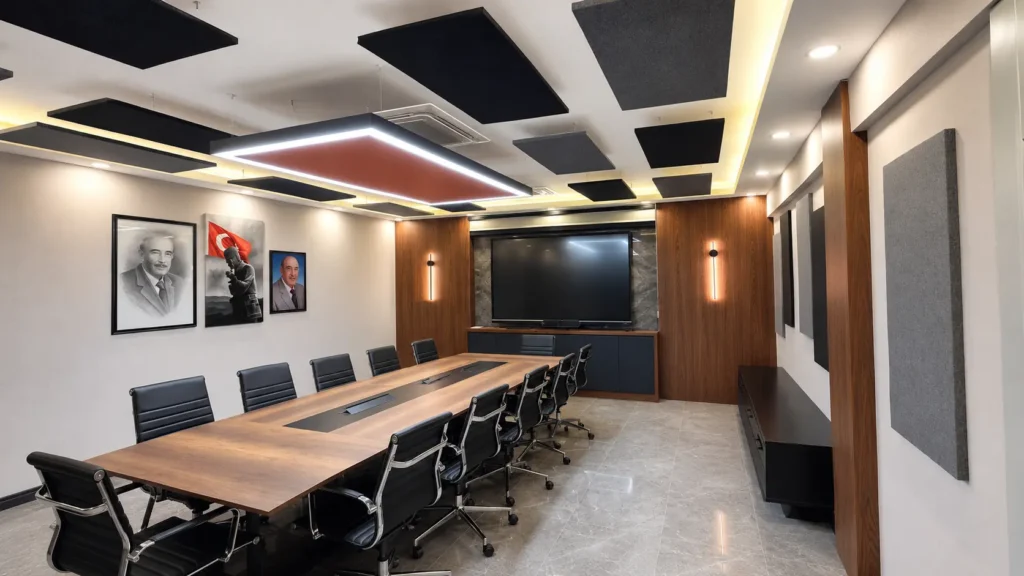
Measured Acoustic Solution vs. Buying Panels From a Catalog: Which Actually Works?
Ordering acoustic panels online vs. a measured, engineered solution — compare diagnosis, quantity, frequency coverage, placement, and cost risk.
Read More →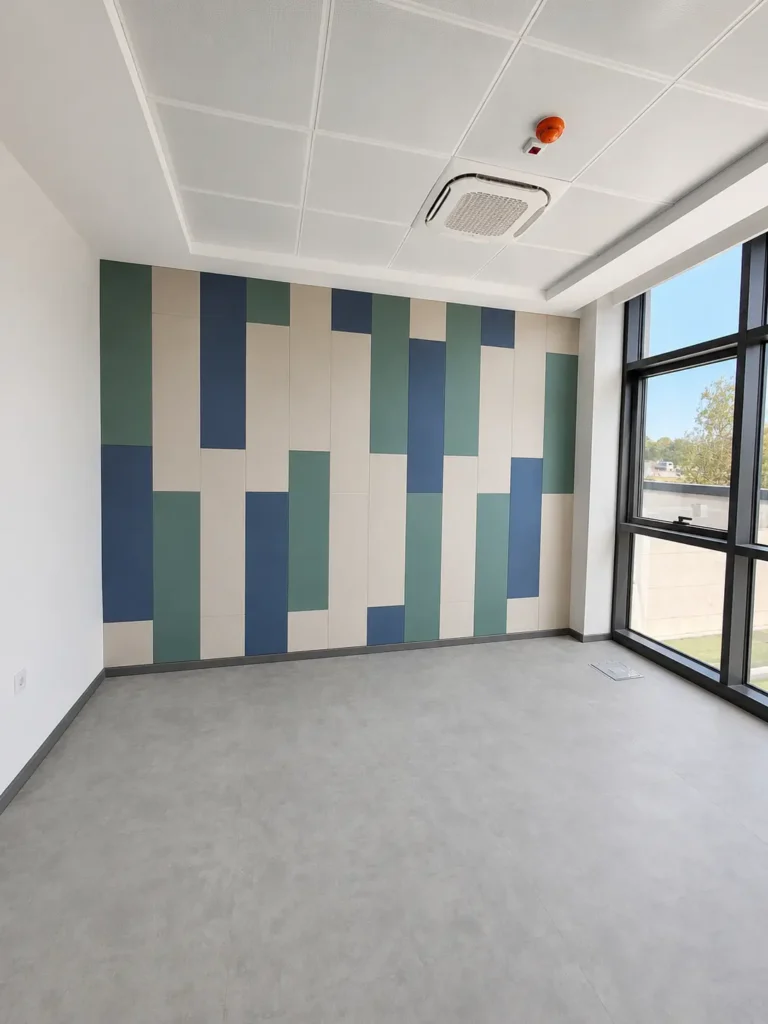
“Reading an Acoustic Report: RT60, STC, NRC and STI Explained”
A plain-English decoder for acoustic consultant reports — what RT60, STC/Rw, IIC, NRC and STI mean, what's good, and what the numbers hide.
Read More →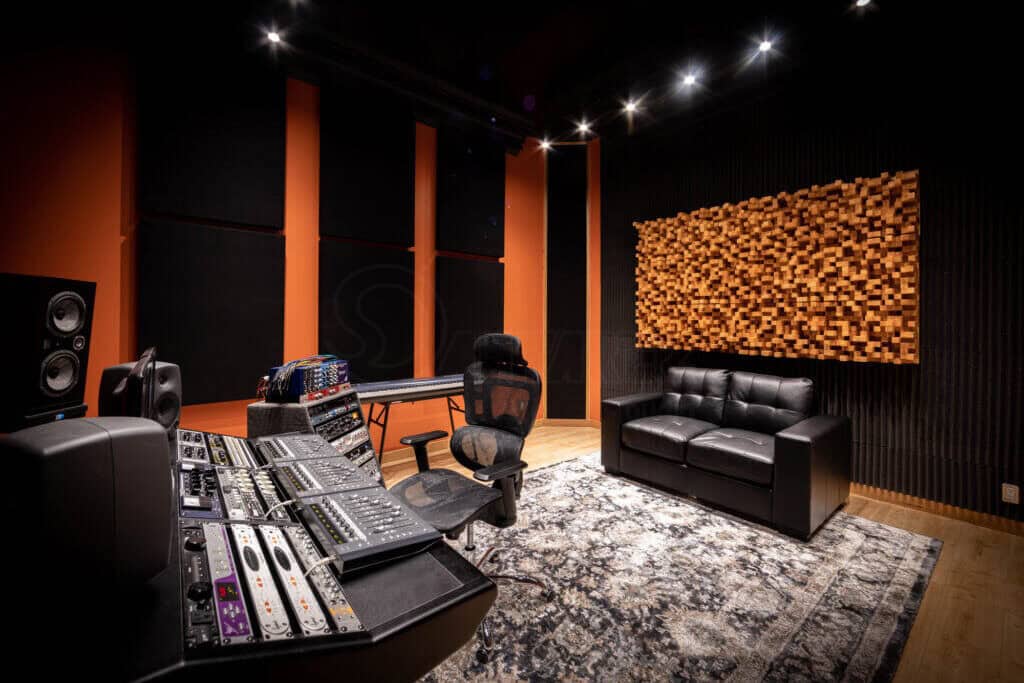
How Is an Acoustic Measurement Actually Performed? A Step-by-Step Guide
A field guide to acoustic measurement: equipment, RT60, background noise, airborne and impact insulation, and open-plan STI — step by step.
Read More →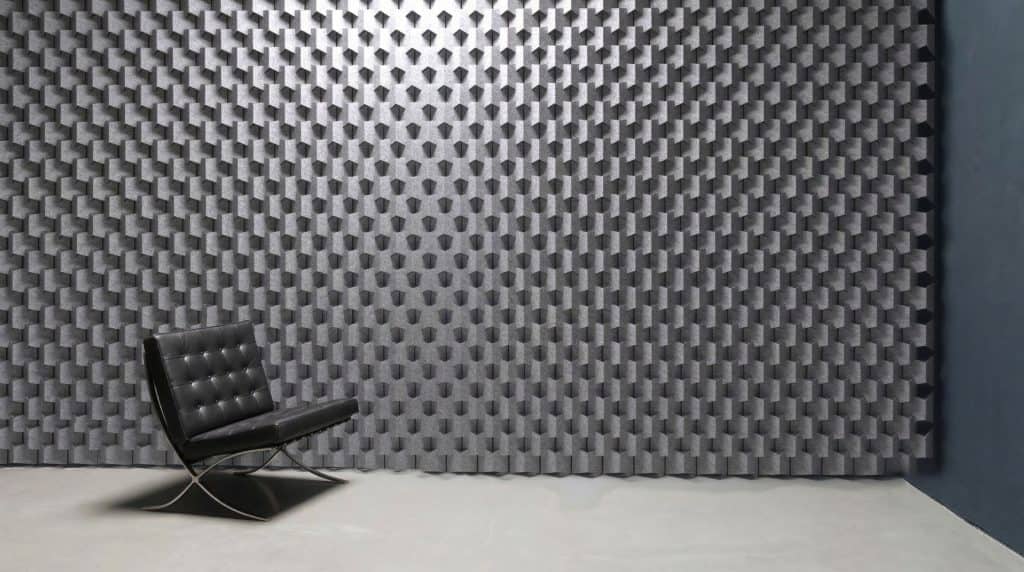
“Noisy Hospital Wards: The Hidden Cost to Patients and Staff”
Hospital wards often run at 55–70 dBA against a WHO 30 dB night guideline. Here's why, what it costs patients and staff, and how…
Read More →
Hospital and Healthcare Acoustics: Why Sound Design Affects Recovery
WHO hospital noise guidelines vs. real ward levels, the impact on sleep and healing, and how healthcare acoustics balances hygiene with quiet.
Read More →
“Auditorium and Lecture Hall Acoustics: Designing for Every Seat”
Auditorium and lecture hall acoustics explained — the speech-vs-music RT tension, even coverage, echo control, STI targets, and design process.
Read More →