
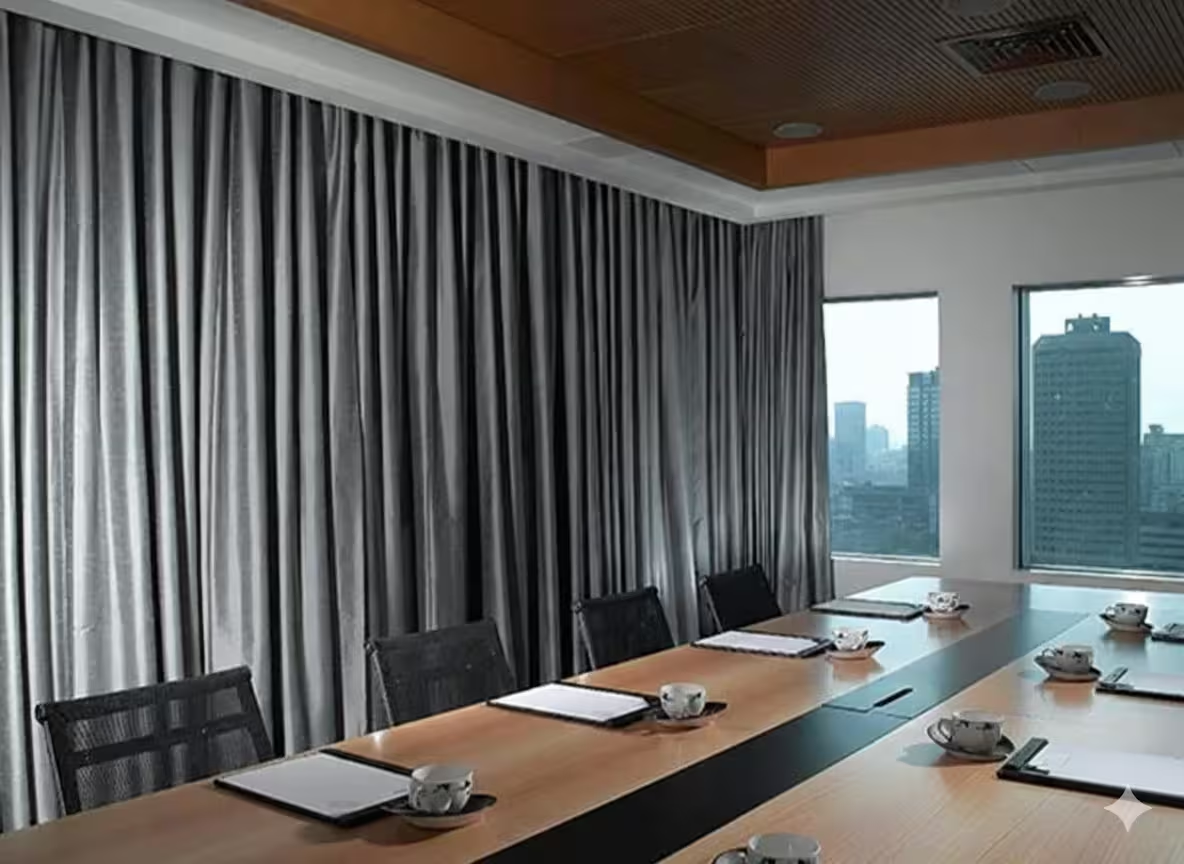
Acoustic Stage Curtains
Acoustic stage curtains are professional curtain solutions used in theatres, conference halls, multi-purpose venues, and stage applications to support echo control, help manage backstage movement and equipment noise, and give the space a more balanced, controlled acoustic character. With their dark tones, dense fabric structure, and pleated appearance, they create a strong visual stage language while also contributing to acoustic comfort targets.
What Are Acoustic Stage Curtains?
Acoustic stage curtains are dense-fabric curtain systems, usually designed with
pleats, used around the front and rear of the stage, backstage zones, and the hall perimeter to help dissipate sound energy.
The goal is to help reduce the feeling of echo and ringing inside the venue, create a more controlled acoustic character during stage use, and strengthen the professional stage appearance.
What Are the Advantages?
- Helps with Echo Control: Supports the reduction of reflected sound in halls dominated by hard surfaces.
- Supports Stage Clarity: May help speech and music feel more balanced and controlled.
- Strong Visual Stage Language: Creates a powerful, professional look in theatres and event areas.
- Space Separation: Can practically divide backstage, storage, wings, and service areas.
- Track and Motor Options: Manual track or motorized systems can be planned according to the project.
- Project-Based Production: Dimensions, pleat ratio, and fabric type can be customized to the need.
Where Are They Used?
- Theatre & Stage: Main stage curtains, rear backdrops, and side legs.
- Conference / Multi-Purpose Halls: Acoustic support in event, presentation, and stage setups.
- Cultural Centers: Front/rear stage arrangement and visual standardization.
- School Halls: Practical control for ceremonies and performance areas.
- Studio / Control Room: Background management and acoustic improvement targets in production areas.
- Event Spaces: Fast solutions for temporary stage setups.
Control in Stage Acoustics: Pleat Ratio, Fabric Density, and the Right Setup
The factors that define performance in stage curtain systems are fabric density, pleat ratio, the correct track system, and the overall application setup. A well-planned curtain improves both stage aesthetics and the venue’s acoustic comfort targets.
Acoustic stage curtains are planned to help reduce the perception of echo in theatres and event halls. Especially in large-volume venues, speech intelligibility and overall sound comfort can be noticeably improved with the right acoustic setup. The curtain is one of the solutions that supports both the functional and the visual side of that setup at the same time.
In project-based production, the pleat ratio, installation line, side leg layout, and backstage transition needs are all considered together. Whether the need is a classic theatre curtain, a side/rear backdrop, or backstage partitioning, the right planning helps achieve both a more cohesive stage appearance and a more controlled acoustic target.
Share your hall dimensions, stage plan, and usage scenario, and we will quickly create the most suitable curtain setup for your project.
Pleat Ratio: Appearance + Acoustic Effect
In stage curtains, pleating is a critical detail for both aesthetics and performance. The right pleat ratio may help increase the effective surface area of the curtain and support the dissipation of sound energy. It also gives the stage a richer and more professional appearance.
Backstage Noise Management
Backstage transitions, equipment movement, and operational flow can be distracting during an event. An acoustic curtain setup aims to organize the stage system so that these sounds are felt less on the audience side. According to the need, side legs and rear backdrop curtains can be used to create a more controlled stage environment.
Application and Installation Process
In stage curtain systems, the right setup is planned together with measurements, track selection, and usage flow. We move the project forward quickly and clearly through the following steps.
Site Review & Needs Analysis
The hall/stage dimensions, usage type (theatre / conference / event), and target setup are clarified.
Measurement Planning
The installation line, height, pleat ratio, and side leg / rear backdrop needs are determined.
System Selection
The track system (manual / motorized), ease of use, and maintenance criteria are planned to match the project.
Production & Preparation
The curtains are prepared according to project details, and the installation plan is finalized before assembly.
Installation & Delivery
The system is installed, opening/closing flow and stage layout are checked, and the project is delivered with usage and maintenance guidance.

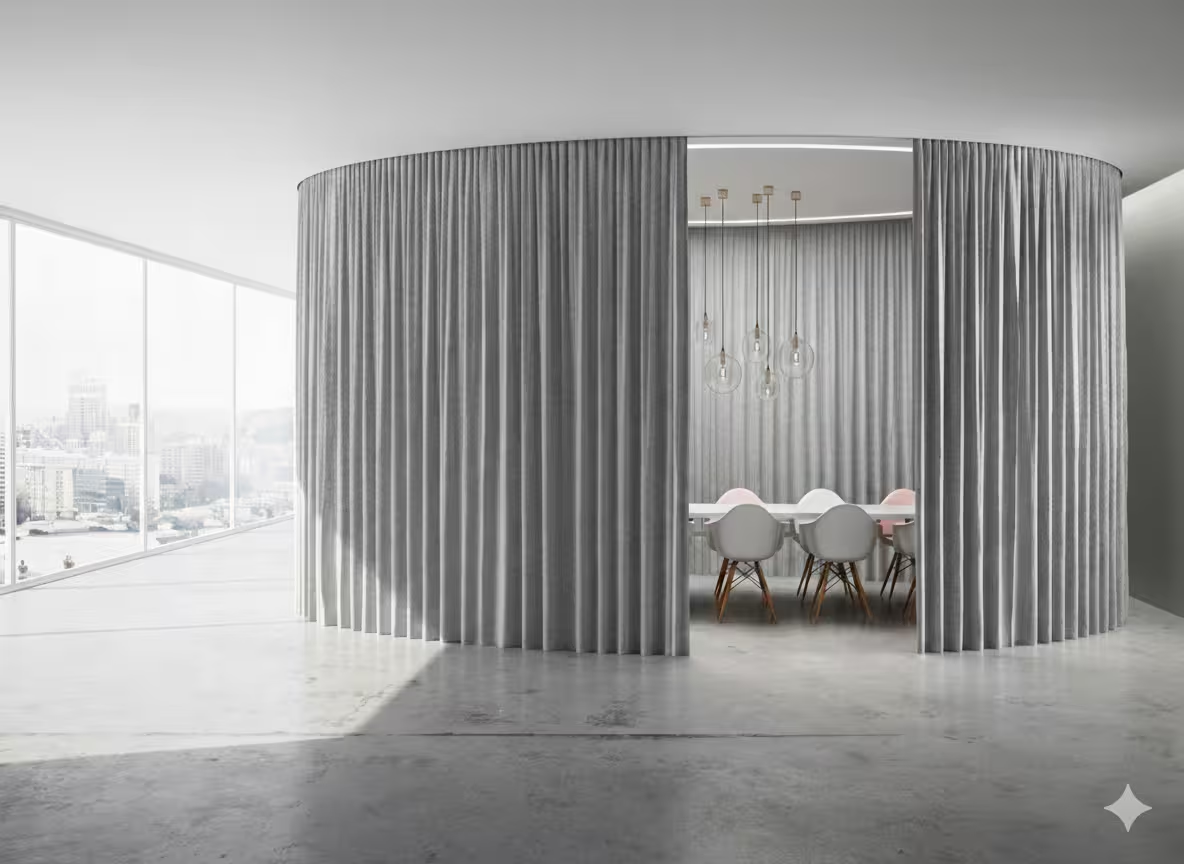
What Should Be Considered When Choosing Stage Curtains?
Success in stage curtain systems comes from the combination of the right dimensions, the right pleat ratio, and the right track system. It is important that the curtain does not interrupt stage flow, can be opened and closed quickly, and fits the backstage usage needs.
On the acoustic side, the fabric density, surface character, and pleat ratio may help reduce the feeling of echo. For the best result, the curtain setup should be evaluated together with the general acoustic needs of the hall.
Send your plan and dimensions, and we will quickly prepare the most suitable curtain setup for your stage type.
Frequently Asked Questions and Contact
We have gathered the most important questions about acoustic stage curtains. Share your project details and we will guide you quickly.
How much can acoustic stage curtains reduce echo?
Depending on the fabric density, pleat ratio, and application setup, the curtain may help reduce the feeling of echo. The exact result varies according to the hall volume, surface materials, and the existing acoustic conditions.
Can a motorized system be used?
Yes. Depending on the project, either a manual track or a motorized system can be planned. The most suitable solution is determined according to the frequency of use and the stage flow.
How should measurements be taken?
Stage width, clear openings, height, and side/rear backdrop needs should be evaluated together. Leaving sufficient allowance for the pleat ratio is important for both appearance and performance.
How are cleaning and maintenance handled?
The maintenance method may vary depending on the fabric type. Long service life is targeted with regular dust removal and the appropriate cleaning method. Project-specific maintenance recommendations can be shared.
Which spaces are suitable for this product?
It can be used in theatres, cultural centers, school halls, conference/event venues, stages, and shooting areas in different scenarios such as front curtains, side legs, rear backdrops, and backstage partitioning.
New content, tips and practical guides.
Tips, guides, and application examples about acoustics and sound insulation.
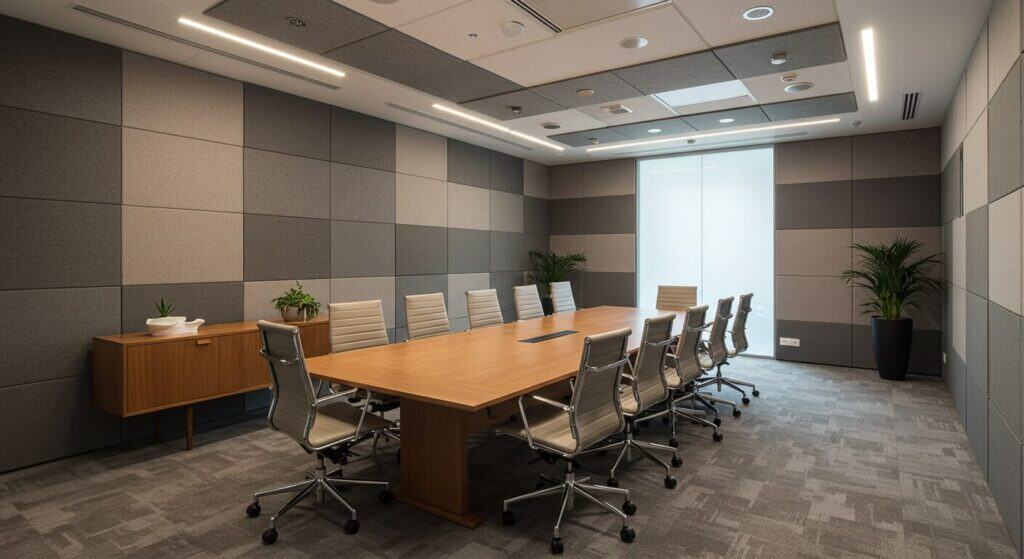
Most Commonly Used Acoustic Solution Types
Acoustic Fabric Panels Highly effective in speech clarity and mid-to-high frequency control. Acoustic Felt Panels Offers both aesthetic and practical application advantages; widely preferred…
Read More →
How to Choose the Right Solution for Your Space?
1) Clarify the need: “What’s the problem?” First, identify the problem correctly: Are conversations hard to understand? (echo/ringing) Is sound coming from the floor…
Read More →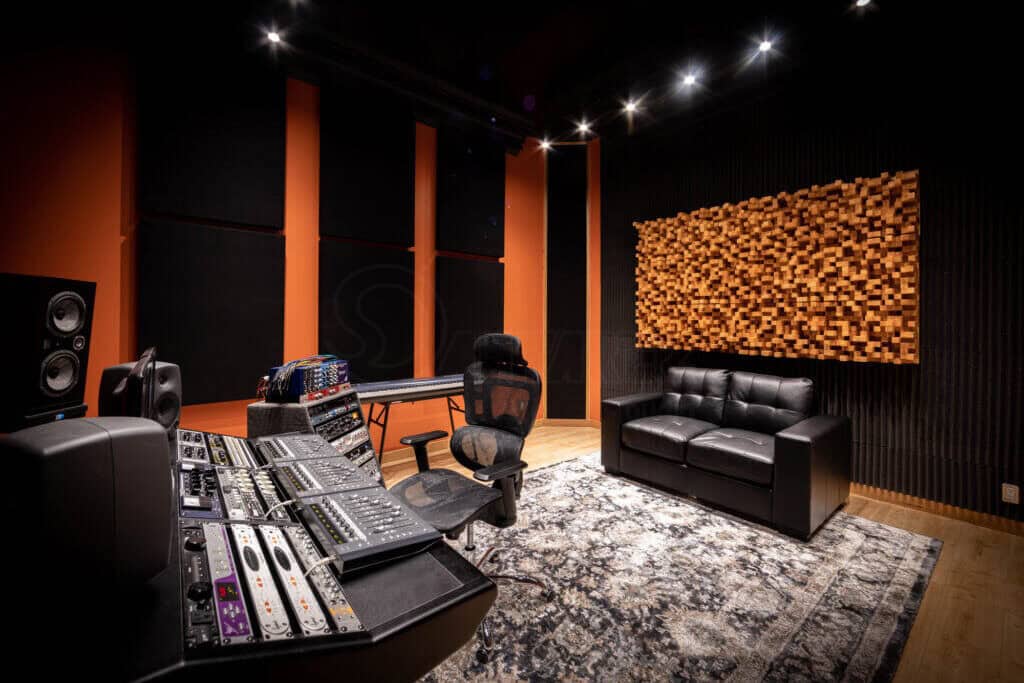
What Is Acoustic Design? How to Choose the Right Solution for Your Space?
When a space has a “sound problem,” most people look for a single solution: “Let’s install this and we’re done.” But in reality, good…
Read More →